Planning Your First Europe Trip: Best 3-Country Combinations

For a first Europe trip, three countries in ten to fourteen days is the sweet spot — enough ground to feel like a proper grand tour, not so much that you spend half the holiday on buses and check-ins. France, Italy and Switzerland remain the most-booked combination for Indian travellers stepping onto the continent for the first time, though several other trios work just as well depending on what you’re chasing: cities, coastline, or castles.

Europe rewards a bit of planning more than most destinations. Visa logistics, train connections and seasonal weather all shift the calculus of where three countries actually fit together sensibly, rather than just looking good on a map. This guide breaks down the strongest three-country routes for a first trip, what the Schengen visa actually means for multi-country travel, and how to structure the days so the trip feels considered rather than crammed.

Why a Multi-Country Trip Makes Sense for First-Time Travellers

A single-country trip can feel like you’ve only seen one register of Europe — one language, one style of architecture, one kind of countryside. Three countries, chosen well, give a first-timer contrast: Alpine peaks after Renaissance piazzas, or Gothic old towns after Baroque palaces. The Schengen Agreement makes this genuinely simple, since a single visa covers travel across 29 member states without a fresh application or border stop at each country.

Indian outbound travel to Europe has been climbing steadily. The European Travel Commission expects Indian arrivals to Europe to grow by 9% in 2026, even as American traveller numbers to the continent rise by a comparatively modest 4.2%. Spending is climbing faster than headcount, too — tourism spending across Europe rose 9.7% in 2025, largely on the back of travellers opting for premium, experience-led trips rather than the fastest or cheapest routing through as many cities as possible. Among individual markets, arrivals from India to the United Kingdom grew 16.02% and to Germany 5.2%, a reminder that the “big three” of London, Paris and Rome no longer capture the whole picture of where Indian travellers are actually headed.

How the Schengen Visa Works for a Three-Country Itinerary

A single Schengen visa is what makes three-country trips practical rather than a paperwork exercise. A few points worth knowing before you book:

  • Apply through the embassy or consulate of the country where you’ll spend the most nights, or your first point of entry if the nights are evenly split.
  • Processing typically takes 10-15 working days, though peak summer months can extend this further, so apply at least 6 weeks in advance.
  • One visa, once issued, lets you move freely between all Schengen members on the itinerary — no separate applications for France, Italy and Switzerland individually.
  • Switzerland isn’t in the EU but is a full Schengen member, so it slots into a Schengen itinerary without extra formalities.
  • The UK and Ireland sit outside Schengen entirely, so a route that includes London alongside two Schengen countries needs a separate UK visa.

The Best Three-Country Combinations for a First Trip

France, Italy and Switzerland: The Classic Circuit

This is the route most Europe tour packages from India are built around, and for good reason. Paris delivers the museums and boulevards; a swing through Milan, Venice or Florence adds Renaissance art and canal-side charm; and a few nights in the Swiss Alps, Interlaken or Zermatt in particular, close the loop with scenery that photographs are rarely as dramatic as the real thing. Train connectivity among all three is excellent, and the pacing suits a 10-14-day window comfortably.

Netherlands, Belgium and Germany: Rivers, Castles and Cities

A gentler, less-rushed alternative. Amsterdam’s canals, Bruges’ medieval old town, and Germany’s Rhine Valley, with a base in Cologne or Frankfurt, combine well because the distances are short and the trains are frequent and reliable. This route suits travellers who’d rather linger over a few cities than tick off landmarks at pace, and it tends to work out kinder on the budget than the France-Italy-Switzerland circuit.

Austria, Czech Republic and Hungary: Central Europe’s Imperial Trail

Vienna, Prague and Budapest were, within living memory of their architecture, capitals of the same empire, and travelling between them makes that shared history visible — imperial palaces, grand opera houses, and thermal baths in Budapest. This combination is considerably lighter on the wallet than Western Europe while still delivering a strong sense of grandeur, and it’s increasingly popular with repeat travellers who’ve already done the classic circuit once.

Spain, Portugal and the Basque Coast: Iberia’s Contrast Route

Barcelona’s Gaudí architecture, Lisbon’s hillside trams, and a few days along the Basque coast or in San Sebastián give this route a very different texture from the rest — more coastal, more food-driven, less museum-paced. It’s a strong pick for travellers who want beaches and tapas alongside the culture, and flight connectivity into Madrid or Barcelona from India has improved noticeably in recent years.

How to Choose the Right Combination for Your Trip

The right route depends less on what’s “best” and more on what you’re actually travelling for:

  • Prioritise France-Italy-Switzerland if: this is a genuinely first Europe trip and you want the landmarks that define the continent in most people’s imagination.
  • Prioritise Netherlands-Belgium-Germany if: you’d rather move slowly through fewer, closer cities than rush between long train legs.
  • Prioritise Austria-Czech Republic-Hungary if: budget matters and you want grandeur without Western European pricing.
  • Prioritise Spain-Portugal-Basque Coast if: food, coastline and architecture matter more to you than a checklist of museums.

Season matters as much as the route itself. May-June and September offer the best balance of good weather and manageable crowds; July-August is peak season across nearly all of Western Europe, with higher prices and fuller trains.

Sample 12-Day Itinerary: France, Italy and Switzerland

A structure we build often for first-time Europe travellers from India:

  • Day 1-4: Paris — Eiffel Tower, the Louvre, a Seine river cruise, and a day trip to Versailles
  • Day 5: Travel day — high-speed rail to Milan, with the afternoon free to explore the Duomo
  • Day 6-7: Venice — canal tours, Piazza San Marco, and a half-day trip to Murano and Burano
  • Day 8-9: Florence — Uffizi Gallery, the Duomo, and a day trip through Tuscany’s countryside
  • Day 10-12: Switzerland — Interlaken or Zermatt, with a scenic train ride and Alpine views closing the trip

What to Pack for a Multi-Country Europe Trip

  • Layered clothing, since temperatures can swing noticeably between Alpine towns and coastal or southern cities
  • Comfortable walking shoes; most of these itineraries involve a lot of cobblestone and hills
  • A universal adapter, since plug types differ even within the Schengen zone
  • A compact daypack for train travel and day trips
  • Copies of your visa approval and travel insurance, both digital and printed

Why Work With a Luxury Travel and Tour Operator in India

Booking a three-country trip in Europe independently means juggling visa timelines, train bookings across three national rail systems, hotel check-in patterns that vary by country, and currency logistics, all before the trip even begins. This is where working with an established luxury travel and tour operator in India earns its value: a specialist sequences the Schengen application, train and flight connections, and hotel selections into a single itinerary, and can rework the plan quickly if a train strike or weather event disrupts a leg mid-trip, which is far harder to manage from a different time zone with no local support.

At Praxis Holidays, our Europe tour packages are built around exactly this kind of route planning, weighing pace, season, and visa logistics together rather than treating each city as a separate booking. Whether you’re deciding between the classic circuit and something quieter, our specialists can walk you through which combination best fits your dates, budget and travel style.

Frequently Asked Questions

How many days do I need for a three-country trip in Europe?

Ten to fourteen days works well for most first-time itineraries, giving each country three to five days without feeling rushed.

Do I need a separate visa for each Schengen country I visit?

No. A single Schengen visa covers travel across all 29 member states, including all four combinations covered in this guide.

Which three-country combination is best for a first trip?

France, Italy, and Switzerland are the most popular for first-timers, though Austria, the Czech Republic, and Hungary are a strong, more affordable alternative.

Is it cheaper to book Europe tour packages from India or plan independently?

Packaged itineraries often work out to be comparable or better value once visa handling, group hotel rates, and pre-booked train tickets are factored in, and they remove most of the coordination risk.

What’s the best season for a first Europe trip?

May-June and September offer the best mix of pleasant weather and thinner crowds; July-August is peak season with higher prices across most of Western Europe.

Conclusion

The right three-country combination comes down to pace, budget and what you actually want more of: landmarks, scenery, history or coastline- rather than any single “correct” route. Get that decision right, along with the visa timeline and season, and the logistics of a first trip to Europe stop being the hard part, leaving more room for the trip itself to be the highlight.

First Time in China: A 10-Day Essential Itinerary

A 10-day itinerary is one of the best ways for first-time visitors to experience China’s rich history, iconic landmarks, vibrant cities, and cultural heritage without feeling rushed. By combining Beijing, Xi’an, Shanghai, and a scenic destination such as Guilin or Suzhou, you can enjoy a balanced introduction to one of the world’s oldest civilisations.

China is the world’s fourth-largest country by land area, spanning approximately 9.6 million square kilometres and home to over 1.4 billion people. It boasts 59 UNESCO World Heritage Sites—among the highest of any country—and operates the world’s largest high-speed rail network, exceeding 45,000 kilometres. These remarkable achievements make China an exceptional destination if you are seeking history, modern innovation, natural beauty, and unforgettable cultural experiences.

Whether you’re planning your first international holiday to China or exploring premium China tour packages, this 10-day itinerary highlights the country’s must-visit destinations and offers practical travel tips for a seamless journey.

Why a 10-Day Itinerary Is Perfect for First-Time Visitors

China is vast, and attempting to see everything in one trip is unrealistic. A thoughtfully planned 10-day itinerary allows you to experience the country’s most iconic attractions while maintaining a comfortable pace.

Benefits of a 10-day trip include:

  • Exploring multiple cities without excessive rushing.
  • Experiencing China’s ancient and modern cultures.
  • Travelling efficiently using high-speed rail.
  • Enjoying world-famous landmarks and authentic local cuisine.
  • Balancing sightseeing with leisure time.

This itinerary is ideal for couples, families, solo travellers, and business travellers extending their stay.

Day 1: Arrive in Beijing – China’s Historic Capital

Beijing is the perfect starting point for any first-time visit to China.

As the country’s capital for more than 800 years, Beijing blends imperial history with contemporary architecture and vibrant neighbourhoods.

After arriving:

  • Check into your hotel.
  • Take a leisurely walk through the city.
  • Sample authentic Peking Duck.
  • Rest and adjust to the local time zone.

Evening suggestions:

  • Explore Wangfujing Street.
  • Visit a traditional tea house.
  • Enjoy local street food.

This relaxed first day helps you recover from long international flights.

Day 2: Discover Beijing’s Imperial Heritage

Your second day focuses on China’s most iconic historical landmarks.

Visit the Forbidden City

The Forbidden City served as the imperial palace for 24 emperors during the Ming and Qing dynasties.

Highlights include:

  • Grand palace courtyards.
  • Imperial throne halls.
  • Ancient Chinese architecture.
  • Palace museums.

Walk Through Tiananmen Square

Located adjacent to the Forbidden City, Tiananmen Square is one of the world’s largest public squares and a significant cultural landmark.

Visit the Temple of Heaven

The Temple of Heaven showcases classical Chinese architecture and centuries-old ceremonial traditions.

These attractions provide an excellent introduction to China’s imperial history.

Day 3: Experience the Great Wall of China

No first trip to China is complete without visiting the Great Wall of China.

Stretching over 21,000 kilometres according to archaeological surveys, the Great Wall remains one of humanity’s greatest engineering achievements.

Popular sections include:

  • Mutianyu
  • Badaling
  • Jinshanling

Mutianyu is particularly recommended for first-time visitors because it offers:

  • Beautiful scenery.
  • Restored pathways.
  • Cable car access.
  • Smaller crowds than some other sections.

After returning to Beijing, enjoy traditional Chinese cuisine before preparing for the next destination.

Day 4: Travel to Xi’an – Home of the Terracotta Army

China’s high-speed rail system makes intercity travel fast and convenient.

Xi’an served as the starting point of the historic Silk Road and was once the capital of several Chinese dynasties.

Upon arrival:

  • Visit the Muslim Quarter.
  • Explore local food markets.
  • Walk along the Ancient City Wall.

The city’s blend of Chinese and Islamic heritage creates a fascinating cultural atmosphere.

Day 5: Explore the Terracotta Army

The Terracotta Army is one of the greatest archaeological discoveries of the 20th century.

Discovered in 1974, the site contains thousands of life-sized warrior statues built to guard Emperor Qin Shi Huang in the afterlife.

Highlights include:

  • Detailed sculptures.
  • Ancient military formations.
  • Bronze weapons.
  • Museum exhibitions.

Visitors often consider this one of the highlights of their entire journey in China.

Day 6: Shanghai – China’s Modern Metropolis

Next, travel to Shanghai using China’s efficient high-speed rail or a short domestic flight.

Shanghai represents modern China through its skyscrapers, financial district, luxury shopping, and global culinary scene.

Top attractions include:

  • The Bund
  • Oriental Pearl Tower
  • Yu Garden

Evening activities:

  • Huangpu River cruise.
  • Rooftop dining.
  • Luxury shopping along Nanjing Road.

Shanghai perfectly contrasts Beijing’s historic atmosphere.

Day 7: Explore Shanghai’s Cultural Side

While Shanghai is known for modern architecture, it also preserves significant cultural heritage.

Recommended experiences:

  • Visit the Shanghai Museum.
  • Explore the French Concession.
  • Enjoy traditional tea ceremonies.
  • Discover local art galleries.

Food lovers should sample:

  • Xiaolongbao (soup dumplings)
  • Shanghai noodles
  • Local seafood specialities

Combining cultural exploration with culinary experiences creates a well-rounded day.

Day 8: Guilin – China’s Natural Masterpiece

For breathtaking scenery, fly to Guilin in southern China.

Known for its dramatic limestone karst mountains and tranquil rivers, Guilin has inspired Chinese artists and poets for centuries.

Must-visit attractions include:

  • Li River
  • Reed Flute Cave
  • Elephant Trunk Hill

Nature enthusiasts often rank Guilin among China’s most beautiful destinations.

Day 9: Li River Cruise and Yangshuo

A Li River cruise is widely regarded as one of China’s most scenic travel experiences.

Visitors enjoy:

  • Towering karst formations.
  • Traditional fishing villages.
  • Bamboo groves.
  • Peaceful river landscapes.

Continue to Yangshuo for:

  • Cycling tours.
  • Riverside cafés.
  • Local handicraft markets.
  • Countryside exploration.

This slower-paced experience provides a relaxing contrast to the larger cities.

Day 10: Departure or Optional Extension

Depending on flight schedules, you can:

  • Explore Guilin further.
  • Return to Shanghai.
  • Fly back from Beijing.

Optional extensions include:

  • Chengdu for giant pandas.
  • Zhangjiajie National Forest Park.
  • Hangzhou’s West Lake.
  • Suzhou’s classical gardens.

These destinations are ideal for those wanting to extend their China adventure.

Essential Travel Tips for First-Time Visitors

Planning ahead can significantly improve your experience.

Helpful tips include:

  • Apply for the appropriate visa well in advance.
  • Carry your passport at all times.
  • Install offline translation apps.
  • Learn basic Mandarin greetings.
  • Use digital payment apps where accepted.
  • Purchase travel insurance.

Preparation helps minimise travel-related challenges.

What to Pack for China

Recommended essentials:

  • Comfortable walking shoes.
  • Universal travel adapter.
  • Layered clothing.
  • Portable power bank.
  • Reusable water bottle.
  • Lightweight rain jacket.
  • Copies of travel documents.

Packing appropriately ensures greater comfort throughout the journey.

Why Guided Tours Offer Greater Convenience

Independent travel is possible, but guided tours simplify logistics considerably.

Benefits include:

  • Local expertise.
  • Language assistance.
  • Efficient transportation.
  • Cultural insights.
  • Pre-arranged accommodations.
  • Attraction tickets.

Many first-time visitors find organised China tour packages particularly valuable for maximising their travel experience.

Luxury Travel Experiences in China

China offers exceptional luxury experiences beyond traditional sightseeing.

Premium travellers can enjoy:

  • Five-star heritage hotels.
  • Private Great Wall excursions.
  • High-end culinary experiences.
  • Luxury Yangtze River cruises.
  • Personalised shopping tours.
  • Exclusive cultural performances.

These curated experiences appeal to those seeking comfort alongside exploration.

How Luxury Travel and Tour Operators in India Can Enhance Your China Journey

Planning an international multi-city itinerary involves careful coordination.

Experienced luxury travel and tour operators in India can assist you with:

  • Customised China tour packages.
  • Visa guidance.
  • Premium accommodations.
  • High-speed rail reservations.
  • Private airport transfers.
  • Local expert guides.
  • Personalised sightseeing experiences.

Professional planning helps you focus on enjoying the journey while minimising logistical concerns.

Final Thoughts

China is a destination where ancient traditions and cutting-edge innovation coexist. From the imperial grandeur of Beijing and the archaeological wonders of Xi’an to the futuristic skyline of Shanghai and the breathtaking landscapes of Guilin, a 10-day itinerary offers an ideal introduction to the country’s extraordinary diversity.

Whether you’re fascinated by history, architecture, cuisine, culture, or natural beauty, this itinerary provides a well-balanced experience for first-time visitors. With thoughtfully designed China tour packages and support from trusted luxury travel and tour operators in India, travellers can explore China’s most iconic destinations with confidence, comfort, and unforgettable memories.

Frequently Asked Questions (FAQs)

Is 10 days enough for a first trip to China?

Yes. A 10-day itinerary is ideal for visiting major destinations such as Beijing, Xi’an, Shanghai, and Guilin while maintaining a comfortable travel pace.

What is the best time to visit China?

Spring (April to May) and autumn (September to October) are generally considered the best seasons due to pleasant weather and comfortable conditions for sightseeing.

Do Indian travellers need a visa to visit China?

Yes. Indian passport holders typically require a visa before travelling to China. Travellers should check the latest visa requirements before planning their trip.

What cities should first-time visitors prioritise?

Beijing, Xi’an, Shanghai, and Guilin are among the most recommended destinations for first-time visitors because they offer a balanced mix of history, culture, modern attractions, and natural beauty.

Is China’s high-speed rail suitable for tourists?

Absolutely. China’s high-speed rail network is one of the largest and most efficient in the world, providing fast and comfortable connections between major cities.

Are China tour packages suitable for families?

Yes. Many China tour packages are designed for families and include guided sightseeing, comfortable accommodations, child-friendly attractions, and convenient transportation.

Can luxury travel and tour operators in India customise China itineraries?

Yes. Many luxury travel and tour operators in India offer tailor-made China itineraries featuring premium hotels, private guides, luxury transportation, and exclusive cultural experiences.

Beyond the Horizon: Designing an Exclusive Private Island & Canopy Hideaway Across Singapore & Malaysia

An exclusive private island and canopy hideaway across Singapore and Malaysia combines world-class luxury, tropical seclusion, rainforest adventures, and experiences into one unforgettable journey. By blending the vibrant sophistication of Singapore with Malaysia’s pristine islands and ancient rainforests, you can enjoy a seamless luxury vacation that balances relaxation, adventure, and nature.

Singapore and Malaysia continue to rank among Southeast Asia’s most visited destinations. According to the United Nations World Tourism Organisation, international travel across Asia-Pacific has experienced strong growth following the reopening of global tourism, while Singapore’s Singapore Tourism Board and Malaysia’s Tourism Malaysia continue to invest in premium tourism experiences. Together, these neighbouring countries offer modern city attractions, award-winning resorts, UNESCO-recognized ecosystems, luxury island retreats, and exceptional hospitality.

Whether you’re planning a honeymoon, anniversary celebration, wellness retreat, or a once-in-a-lifetime family vacation, this guide explains how to design a luxury itinerary that seamlessly connects Singapore’s cosmopolitan elegance with Malaysia’s breathtaking islands and rainforest canopy escapes.

Why Combine Singapore and Malaysia for a Luxury Vacation?

Singapore and Malaysia complement each other exceptionally well.

Singapore offers:

  • World-class luxury hotels
  • Michelin-starred dining
  • Iconic architecture
  • Premium shopping
  • Efficient transportation

Malaysia adds:

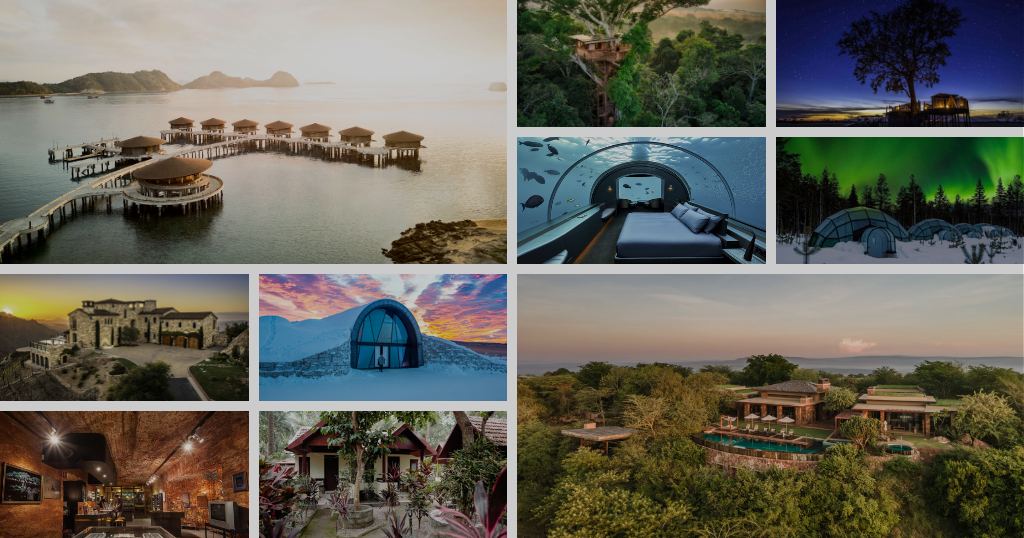
  • Tropical private islands
  • Ancient rainforests
  • Marine biodiversity
  • Luxury beach resorts
  • Rich cultural heritage

Together, these destinations create an itinerary that combines urban sophistication with untouched natural beauty.

This is why luxury tour packages to Malaysia and Singapore have become increasingly popular among international tourists seeking variety without long travel times.

What Makes a Private Island Experience Truly Exclusive?

Private island vacations have evolved beyond luxury accommodation. Today’s visitors seek privacy, personalised service, and immersive experiences.

An exclusive island retreat typically includes:

  • Beachfront villas
  • Private infinity pools
  • Dedicated butler service
  • Fine dining experiences
  • Yacht excursions
  • Wellness programs

Malaysia is home to several exceptional luxury island destinations where exclusivity and sustainability coexist.

Popular island regions include:

  • Langkawi
  • Pangkor Laut
  • Tioman Island
  • Redang Island

Each offers a unique combination of luxury hospitality and spectacular natural surroundings.

Singapore: The Perfect Luxury Gateway

Singapore serves as the ideal starting point for a premium Southeast Asian itinerary.

Despite covering only around 734 square kilometres, the city-state consistently ranks among the world’s cleanest, safest, and most efficient travel destinations.

Must-Experience Luxury Attractions

Travellers should explore:

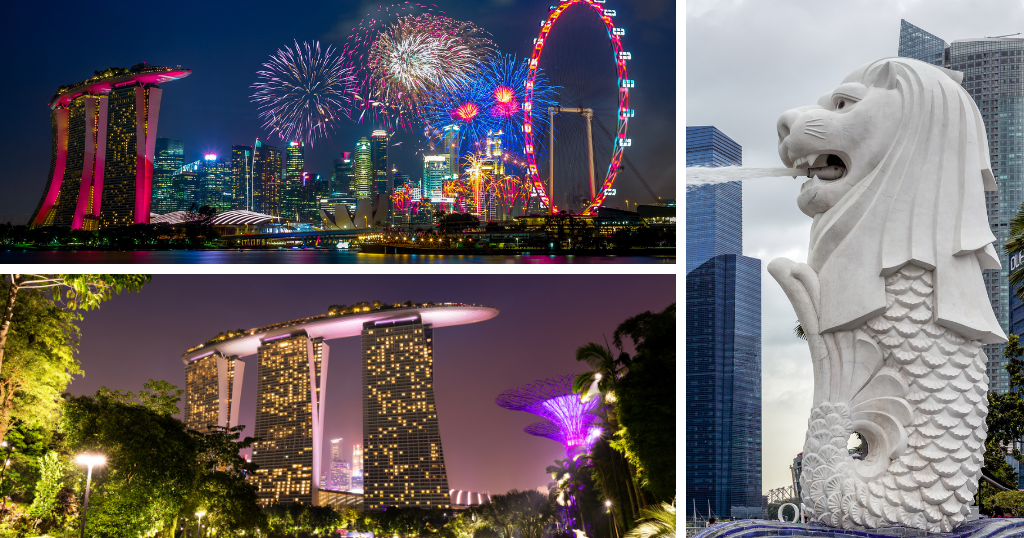
  • Marina Bay Sands
  • Gardens by the Bay
  • Sentosa Island
  • Singapore Botanic Gardens

Luxury experiences include:

  • Rooftop infinity pools
  • Private city tours
  • Fine dining
  • Designer shopping on Orchard Road
  • Sunset yacht cruises

These attractions are frequently featured in premium Singapore luxury tour packages.

Escaping into Malaysia’s Rainforest Canopy

Malaysia is one of the world’s richest biodiversity hotspots.

The country contains portions of one of the planet’s oldest tropical rainforests, estimated to be over 130 million years old.

Luxury canopy experiences allow visitors to immerse themselves in nature without compromising comfort.

Popular rainforest destinations include:

  • Taman Negara National Park
  • Belum-Temengor Rainforest
  • Danum Valley Conservation Area

Activities often include:

  • Guided rainforest walks
  • Canopy bridges
  • Wildlife photography
  • Birdwatching
  • Luxury eco-lodge stays

For nature enthusiasts, these destinations provide extraordinary opportunities to reconnect with the natural world.

Private Island Escapes in Malaysia

Malaysia’s coastline stretches more than 4,600 kilometres, supporting hundreds of tropical islands.

Several luxury resorts have become internationally recognised for sustainability and hospitality.

Guests can enjoy:

  • Snorkelling among coral reefs
  • Private beach picnics
  • Scuba diving
  • Sunset sailing
  • Spa treatments overlooking the ocean

Luxury island experiences emphasise privacy while maintaining strong commitments to environmental conservation.

Wellness Retreats in Tropical Paradise

Luxury travel increasingly focuses on wellness alongside relaxation.

Many island resorts now offer:

  • Yoga sessions
  • Meditation programs
  • Holistic spa treatments
  • Detox cuisine
  • Forest bathing experiences

Combining rainforest environments with oceanfront settings creates ideal conditions for mental and physical rejuvenation.

If you are seeking restorative vacations, often prioritise these wellness elements when selecting Malaysia and Singapore luxury tour packages.

Wildlife Experiences Beyond the Beaches

Malaysia’s ecosystems support remarkable biodiversity.

Visitors may encounter:

  • Hornbills
  • Proboscis monkeys
  • Sea turtles
  • Tropical butterflies
  • Rare orchids

Protected areas such as the Danum Valley and Belum Rainforest are internationally recognised for conservation and scientific research.

Guided wildlife experiences provide educational opportunities while promoting responsible tourism.

Culinary Experiences Across Singapore and Malaysia

Food is an essential part of every luxury itinerary.

Singapore offers:

  • Michelin-starred restaurants
  • Contemporary Asian cuisine
  • Hawker Centre experiences
  • International fine dining

Malaysia introduces:

  • Malay cuisine
  • Chinese influences
  • Indian flavors
  • Peranakan specialties
  • Fresh seafood

Signature experiences include:

  • Chef’s tasting menus
  • Private dining
  • Culinary masterclasses
  • Local market tours

Luxury gastronomy adds another memorable dimension to the journey.

Sustainable Luxury Travel Is Redefining Tourism

Today’s luxury travellers increasingly value sustainability.

Eco-conscious resorts now emphasise:

  • Renewable energy
  • Coral reef conservation
  • Plastic reduction initiatives
  • Community engagement
  • Responsible sourcing

According to global studies on sustainable tourism, environmentally responsible accommodations continue to attract an increasing number of high-value travellers.

Luxury no longer means excess—it increasingly means thoughtful experiences with minimal environmental impact.

Sample 8-Day Luxury Singapore and Malaysia Itinerary

A balanced itinerary allows travellers to experience both destinations at a comfortable pace.

Days 1–3: Singapore

Highlights include:

  • Marina Bay
  • Gardens by the Bay
  • Sentosa Island
  • Luxury shopping
  • Fine dining

Days 4–6: Malaysian Private Island

Experiences include:

  • Beach relaxation
  • Spa treatments
  • Snorkeling
  • Private cruises
  • Sunset dinners

Days 7–8: Rainforest Canopy Retreat

Activities include:

  • Guided rainforest walks
  • Wildlife excursions
  • Canopy experiences
  • Wellness sessions

This combination creates an ideal balance between city life, island leisure, and immersive nature.

Why Personalised Itineraries Matter

Every luxury traveller has different expectations.

Some prioritise:

  • Romance
  • Wellness
  • Adventure
  • Family experiences
  • Culinary exploration

Customised planning ensures every aspect of the journey aligns with individual interests.

Luxury travel is increasingly defined by personalisation rather than standard packages.

The Growing Demand for Singapore Luxury Tour Packages

Singapore continues to attract affluent travellers because of its:

  • Exceptional safety
  • World-class infrastructure
  • Premium accommodations
  • Efficient transportation
  • Diverse attractions

As a result, Singapore luxury tour packages remain among the most requested premium travel experiences for travellers exploring Southeast Asia.

Combining Singapore with Malaysia enhances the overall journey by adding beaches, rainforests, and cultural diversity.

How Luxury Travel and Tour Operators in India Create Exceptional Experiences

Planning a premium multi-country vacation requires expert coordination.

Experienced luxury travel and tour operators in India help travellers by providing:

  • Customized itineraries
  • Visa guidance
  • Premium accommodations
  • Private airport transfers
  • Local expert guides
  • Exclusive resort bookings
  • Personalised concierge services

Their destination expertise helps create seamless travel experiences while minimising logistical complexity.

Essential Travel Tips Before You Go

Prepare for your luxury vacation with these practical tips:

  • Check passport validity.
  • Verify visa requirements.
  • Purchase comprehensive travel insurance.
  • Pack lightweight tropical clothing.
  • Carry reef-safe sunscreen.
  • Book premium experiences in advance.
  • Respect local customs and conservation guidelines.

Thoughtful preparation ensures a smoother and more enjoyable journey.

Final Thoughts

Designing an exclusive private island and canopy hideaway across Singapore and Malaysia offers far more than a conventional vacation. It combines cosmopolitan elegance, tropical serenity, rainforest exploration, luxury wellness, and authentic cultural experiences into one carefully curated itinerary.

Whether you’re relaxing on Malaysia’s pristine private islands, exploring ancient rainforest canopies, or enjoying Singapore’s world-class hospitality, every stage of the journey offers something unique. With thoughtfully designed Singapore luxury tour packages, customised Malaysia and Singapore luxury tour packages, and the expertise of trusted luxury travel and tour operators in India, travellers can experience Southeast Asia in a way that is seamless, personalised, and truly unforgettable.

Frequently Asked Questions (FAQs)

Why should I combine Singapore and Malaysia in one luxury vacation?

Singapore provides world-class urban luxury, while Malaysia offers tropical islands, rainforests, and exclusive eco-retreats. Together, they create a balanced and diverse premium travel experience.

What are the best private island destinations in Malaysia?

Some of the most popular luxury island destinations include Langkawi, Pangkor Laut, Tioman Island, and Redang Island, each offering unique beaches, resorts, and marine experiences.

What makes rainforest canopy retreats unique?

Rainforest canopy retreats combine luxury accommodations with immersive nature experiences, allowing travellers to enjoy wildlife, guided forest walks, wellness activities, and breathtaking views from elevated rainforest settings.

Are Singapore luxury tour packages suitable for families?

Yes. Many Singapore luxury tour packages include family-friendly attractions such as Sentosa Island, Gardens by the Bay, interactive museums, luxury hotels, and personalised sightseeing experiences.

When is the best time to visit Singapore and Malaysia?

Both destinations are year-round travel destinations, although many travellers prefer February to April and July to October for generally favourable weather and outdoor activities.

Can luxury travel and tour operators in India customise itineraries to Singapore and Malaysia?

Yes. Many luxury travel and tour operators in India specialise in tailor-made itineraries featuring premium accommodations, private transportation, curated experiences, and concierge services across both Singapore and Malaysia.

Is this itinerary suitable for honeymooners?

Absolutely. The combination of private island resorts, luxury city experiences, wellness retreats, and romantic dining makes Singapore and Malaysia one of Southeast Asia’s most popular honeymoon destinations.

Bora Bora vs Maldives: Which Luxury Island Escape Is Right for You?

Imagine waking up to the gentle sound of waves beneath your overwater villa, stepping onto a private deck, and watching the sunrise paint the ocean in shades of gold and turquoise. Whether it’s the pristine lagoons of Bora Bora or the crystal-clear waters of the Maldives, these two island destinations have become the ultimate symbols of luxury travel.

For many travellers, choosing between Bora Bora and the Maldives isn’t easy. Both promise exceptional hospitality, breathtaking scenery, world-class resorts, and unforgettable experiences. Yet, each destination offers something unique. While Bora Bora captivates visitors with its dramatic volcanic peaks and exclusive French Polynesian charm, the Maldives enchants with endless coral atolls, private island resorts, and unparalleled marine life.

If you’re planning the holiday of a lifetime, understanding the differences between these tropical paradises can help you make the right decision. Partnering with luxury travel and tour operators in India also ensures your journey is seamless, from personalised itineraries and premium accommodations to visa guidance and curated experiences.

In this guide, we’ll compare Bora Bora and the Maldives across every important aspect, helping you discover which destination best matches your dream luxury escape.

A Quick Overview

Bora Bora – The Jewel of French Polynesia

Located in the South Pacific, Bora Bora is often regarded as one of the world’s most beautiful islands. Surrounded by a spectacular turquoise lagoon and protected by a coral reef, the island is famous for its lush volcanic landscapes and luxurious overwater villas.

Unlike destinations made up entirely of flat islands, Bora Bora offers dramatic scenery with Mount Otemanu rising majestically above the lagoon. This combination of mountains and sea creates a unique visual experience rarely found elsewhere.

The island is particularly popular among honeymooners, luxury travellers, and those seeking an intimate escape surrounded by natural beauty.

Maldives – A Tropical Paradise in the Indian Ocean

The Maldives consists of over 1,000 coral islands spread across 26 natural atolls in the Indian Ocean. Each luxury resort occupies its own private island, offering guests complete privacy and exclusivity.

From underwater restaurants and private infinity pools to vibrant coral reefs teeming with marine life, the Maldives is designed for travellers seeking tranquillity and indulgence.

Its proximity to India and excellent connectivity have made it one of the most sought-after destinations for luxury holidays.


Accessibility from India

Travelling comfortably is an essential part of any luxury holiday.

Reaching the Maldives

The Maldives is significantly easier to access from India. Several airlines operate direct flights from major cities like Delhi, Mumbai, Bengaluru, Chennai, Kochi, and Hyderabad to Malé. Flight durations typically range between three and five hours.

After arriving in Malé, travellers are transferred to their resort by speedboat or seaplane, making the journey both efficient and scenic.

Reaching Bora Bora

Travelling to Bora Bora requires more planning. Most international travellers fly via destinations such as Tokyo, Los Angeles, Auckland, or Paris before reaching Tahiti. From Tahiti, a domestic flight connects travellers to Bora Bora.

Although the journey is longer, many consider it worthwhile for the exclusivity and untouched beauty that await.

Professional luxury travel and tour operators in India can simplify these complex travel arrangements by coordinating flights, transfers, accommodation, and custom itineraries.


Natural Beauty: Mountains or Endless Lagoons?

This is perhaps the biggest difference between the two destinations.

Bora Bora’s Dramatic Landscapes

Bora Bora is a feast for the eyes. Towering volcanic peaks rise above emerald forests while turquoise lagoons stretch into the horizon.

Visitors enjoy panoramic viewpoints, lush tropical vegetation, secluded beaches, and crystal-clear waters perfect for kayaking and paddleboarding.

The island feels alive with natural contrasts that create spectacular photography opportunities.

Maldives’ Endless Ocean Views

The Maldives offers a completely different type of beauty.

Here, the focus is on uninterrupted ocean views, white sand beaches, and vibrant coral reefs. Every direction reveals endless shades of blue, making the destination feel incredibly peaceful and private.

The Maldives is ideal for travellers who dream of spending their days relaxing beside the sea with minimal distractions.

Which destination is more scenic?

If dramatic mountain landscapes appeal to you, Bora Bora is unmatched.

If endless turquoise waters and postcard-perfect beaches are your dream, the Maldives delivers a truly magical experience.


Luxury Accommodation

Both destinations are renowned for redefining luxury travel, yet they offer different accommodation styles.

Staying in Bora Bora

Luxury resorts in Bora Bora are known for blending Polynesian architecture with modern elegance.

Expect spacious overwater villas featuring:

  • Glass floor panels
  • Private plunge pools
  • Outdoor rain showers
  • Panoramic lagoon views
  • Butler services
  • Fine dining experiences

Many villas face Mount Otemanu, creating one of the world’s most iconic views.

Staying in the Maldives

The Maldives has become synonymous with luxury accommodation.

Many resorts feature:

  • Private infinity pools
  • Personal butlers
  • Underwater restaurants
  • Floating breakfasts
  • Private beaches
  • Spa pavilions over the ocean

Guests often enjoy complete privacy since each villa is separated by stretches of turquoise water.

Both destinations excel in hospitality, making them favourites among discerning travellers.


Experiences Beyond the Beach

Luxury holidays today are about creating memorable experiences rather than simply relaxing.

Experiences in Bora Bora

Bora Bora offers activities such as:

  • Lagoon cruises
  • Shark and stingray encounters
  • Sunset catamaran sailing
  • Helicopter tours
  • Mount Otemanu viewpoints
  • Polynesian cultural performances
  • Private beach picnics

The combination of adventure and culture gives Bora Bora a distinctive personality.

Experiences in the Maldives

The Maldives focuses heavily on marine experiences.

Popular activities include:

  • Snorkelling among coral reefs
  • Scuba diving with manta rays
  • Dolphin cruises
  • Sunset fishing
  • Underwater dining
  • Private sandbank experiences
  • Luxury wellness retreats

For ocean lovers, few destinations can rival the Maldives.

Which Destination is Better for Honeymooners?

Both destinations consistently rank among the world’s best honeymoon escapes.

Choose Bora Bora if you want:

  • Dramatic scenery
  • Adventure combined with romance
  • Cultural experiences
  • Exclusive French Polynesian charm

Choose the Maldives if you prefer:

  • Ultimate privacy
  • Relaxation
  • World-class spa experiences
  • Exceptional marine life
  • Shorter travel time from India

No matter your choice, working with an experienced tour operator in India ensures every detail from luxury accommodation to personalised experiences is carefully curated, allowing you to focus entirely on making unforgettable memories.

Cost Comparison: Which Destination Offers Better Value?

Luxury holidays are defined by exceptional experiences rather than just price tags. However, understanding the cost differences between Bora Bora and the Maldives can help you choose the destination that aligns with your travel goals and budget.

Bora Bora

Bora Bora is generally considered one of the world’s most exclusive destinations. Due to its remote location and limited number of luxury resorts, accommodation and transportation costs are relatively high.

Travellers should factor in:

  • International flights to Tahiti
  • Domestic flights to Bora Bora
  • Luxury resort accommodation
  • Private excursions
  • Fine dining experiences

The exclusivity of Bora Bora often justifies its premium pricing, making it ideal for milestone celebrations such as honeymoons, anniversaries, or once-in-a-lifetime vacations.

Maldives

The Maldives offers a wider range of luxury options. While ultra-luxury private island resorts command premium prices, there are also more flexible choices depending on the level of exclusivity you seek.

Its shorter travel distance from India often results in lower flight costs compared to Bora Bora, allowing travellers to allocate more of their budget toward premium experiences such as spa treatments, diving adventures, or private dining.

A trusted tour operator in India can help compare packages, identify seasonal offers, and design a bespoke itinerary that maximises value without compromising on comfort.


Culinary Experiences

A memorable journey isn’t complete without exceptional cuisine.

Dining in Bora Bora

French Polynesia combines French culinary traditions with fresh tropical ingredients, resulting in refined dining experiences.

Signature dishes often include:

  • Fresh tuna and mahi-mahi
  • Vanilla-infused desserts
  • Tropical fruits
  • French pastries
  • Seafood platters

Many luxury resorts offer romantic waterfront dinners, private beach dining, and tasting menus prepared by internationally acclaimed chefs.

Dining in the Maldives

Dining in the Maldives focuses heavily on seafood and international cuisine.

Luxury resorts feature:

  • Overwater restaurants
  • Underwater dining experiences
  • Japanese fine dining
  • Mediterranean cuisine
  • Indian specialities
  • Private candlelit dinners on secluded beaches

With chefs from around the world, guests can enjoy diverse culinary experiences while overlooking the Indian Ocean.


Adventure and Marine Life

Both destinations are a paradise for ocean enthusiasts, but they excel in different ways.

Marine Adventures in Bora Bora

The lagoon surrounding Bora Bora is calm, warm, and incredibly clear.

Popular experiences include:

  • Snorkelling with colourful tropical fish
  • Swimming alongside rays
  • Guided shark encounters
  • Paddleboarding
  • Jet skiing
  • Lagoon safaris

The calm waters make Bora Bora particularly suitable for couples seeking relaxed water activities.

Marine Adventures in the Maldives

The Maldives is widely recognised as one of the world’s premier diving destinations.

Visitors can encounter:

  • Manta rays
  • Whale sharks
  • Sea turtles
  • Reef sharks
  • Vibrant coral gardens
  • Hundreds of tropical fish species

Whether you’re a beginner or an experienced diver, the Maldives offers unforgettable underwater adventures.


Privacy and Exclusivity

Luxury travellers often prioritise privacy above all else.

Bora Bora

Many resorts feature spacious villas positioned along peaceful lagoons, creating a tranquil atmosphere with spectacular mountain views.

The island’s limited number of luxury properties naturally reduces crowds, enhancing the feeling of exclusivity.

Maldives

Privacy in the Maldives.

Since most resorts occupy their own private islands, guests enjoy:

  • Minimal crowds
  • Personalised service
  • Exclusive beaches
  • Dedicated villa hosts
  • Complete seclusion

For travellers seeking uninterrupted relaxation, the Maldives remains one of the finest destinations in the world.


Best Time to Visit

Choosing the right season can significantly enhance your luxury holiday.

Best Time for Bora Bora

The ideal months are from May to October, when the weather is warm, dry, and perfect for outdoor activities.

These months offer:

  • Comfortable temperatures
  • Clear skies
  • Calm lagoons
  • Excellent visibility for snorkelling

Best Time for the Maldives

The Maldives is best visited between November and April, when rainfall is minimal and sunshine is abundant.

This period provides ideal conditions for:

  • Beach holidays
  • Diving
  • Island hopping
  • Sunset cruises
  • Water sports

Travelling during shoulder seasons can also provide attractive offers while maintaining excellent weather conditions.


Sustainability and Responsible Luxury

Today’s luxury travellers increasingly value environmentally responsible tourism.

Bora Bora

Several resorts have adopted sustainable practices such as:

  • Coral reef conservation
  • Plastic reduction initiatives
  • Renewable energy usage
  • Marine protection programmes

Maldives

Many luxury resorts actively contribute to:

  • Coral restoration projects
  • Marine research
  • Turtle conservation
  • Sustainable seafood sourcing
  • Eco-friendly villa design

Choosing environmentally conscious resorts allows travellers to enjoy luxury while supporting conservation efforts.


Bora Bora vs Maldives: Which Destination Should You Choose?

Choose Bora Bora if you value:

  • Dramatic volcanic landscapes
  • French Polynesian culture
  • Scenic mountain views
  • Lagoon adventures
  • Ultimate exclusivity

Choose the Maldives if you prefer:

  • Easier access from India
  • Private island resorts
  • Exceptional diving opportunities
  • Endless white-sand beaches
  • Unmatched privacy

There is no universal winner because both destinations represent different expressions of luxury travel.

The right choice depends on the experience you envision.


Frequently Asked Questions

Is Bora Bora more expensive than the Maldives?

Generally, yes. Due to its remote location and limited accommodation options, Bora Bora often has higher travel costs. However, both destinations offer exceptional value through their world-class experiences.

Which destination is better for honeymooners?

Both are excellent honeymoon destinations. Bora Bora suits couples seeking dramatic scenery and cultural charm, while the Maldives appeals to those looking for complete privacy and overwater luxury.

Is the Maldives easier to reach from India?

Yes. Direct flights from several Indian cities make the Maldives significantly more accessible than Bora Bora.

Which destination offers better diving?

The Maldives is internationally recognised for its extraordinary diving opportunities, vibrant coral reefs, and abundant marine life.

Can families enjoy these destinations?

Absolutely. While both destinations are famous for romantic holidays, many luxury resorts offer family-friendly villas, children’s programmes, and exciting water activities suitable for all ages.


Final Thoughts

Whether you choose the breathtaking volcanic landscapes of Bora Bora or the serene private islands of the Maldives, you’re investing in memories that will last a lifetime.

Both destinations redefine luxury travel, offering extraordinary hospitality, spectacular natural beauty, and unforgettable experiences. The key lies in selecting the destination that best reflects your personal travel style.

Planning a premium island holiday also requires expert guidance, from choosing the right resort and flights to arranging personalised experiences and seamless transfers. Working with an experienced tour operator in India ensures every aspect of your journey is thoughtfully planned, allowing you to enjoy your holiday with complete peace of mind.

Your dream island getaway begins with the right planning. Let your next luxury journey be one that’s as effortless as it is unforgettable.

The Great Migration Safari Guide: Best Time to Witness Nature’s Greatest Show

Close to two million wildebeest, zebra and gazelle move across the plains of East Africa in a loop that has repeated itself for longer than anyone has been keeping records. For travellers planning a luxury safari from India, the timing of this journey, not the destination alone, is usually what separates a good trip from an extraordinary one. As a luxury travel and tour operator in India specialising in luxury trips to Africa, we also hear the same question from our specialists more than any other: when should I go to see the Great Migration?

This guide is built to answer that properly. It walks through the migration’s yearly rhythm, honestly weighs Kenya against Tanzania, points to the camps worth the premium, and ends with a sample itinerary structured the way we actually plan trips for our guests. Whether you’re weighing a Masai Mara safari against a Serengeti circuit, or want to know which month justifies the investment of a long-haul luxury holiday, keep this open while you plan.

What Is the Great Migration?

The Great Migration is the continuous, circular movement of around 1.5 million wildebeest, along with several hundred thousand zebras and gazelles, across the Serengeti-Mara ecosystem, spanning northern Tanzania and southern Kenya. It isn’t a single event with a fixed start and end date; it’s a year-round cycle driven almost entirely by rainfall. Grass grows where rain falls, and the herds follow it, which means the migration technically happens every day of the year, just in different places.

The loop broadly runs like this: calving on the short-grass plains of the southern Serengeti between January and March, a push north-west through the Western Corridor around April and May, a gathering in the north through June and July, and the famous river crossings between roughly July and October, before the herds turn south again as the short rains return.

No two years play out identically, which is exactly why the Serengeti’s status as a UNESCO World Heritage Site matters in practical terms, not just symbolically — the designation exists specifically because of this migration, and conservation bodies track it year-round. Working with a specialist who follows the herds each season matters more than picking a month off a generic chart.

Why It’s Called Nature’s Greatest Show

Scale is the first reason. No other terrestrial wildlife event on Earth involves this many large mammals moving as one; the sheer number visible in a single sweep of binoculars is something photographs rarely prepare visitors for. But scale alone wouldn’t earn the title. What makes it theatre is tension. Predators know the migration calendar as well as any safari guide, and crocodiles, lions and hyenas time their own year around it. The river crossings compress days of anticipation into a few chaotic minutes, thousands of wildebeest committing to a crossing at once, with current, crocodiles, and instinct working against them. Add the backdrop of golden Serengeti plains, the Mara’s acacia-studded hills, dust lit low by an equatorial sun, and it’s easy to see why seasoned safari guides, not just marketing copy, reach for the phrase ‘greatest show on Earth.

The Great Migration Calendar, Month by Month

The migration’s route shifts gradually, but it helps to think of the year in five broad phases.

January – March: Calving Season, Southern Serengeti

Around 500,000 wildebeest calves are born within a few short weeks on the Ndutu plains and southern Serengeti, drawing predators in large numbers. Crowds are thinner than in the northern crossing season, and the open plains make for exceptional big-cat sightings.

April – May: The Long Rains and the Western Corridor

The herds move north-west through the Western Corridor as the long rains green the landscape. Camps here are quieter and often more affordable, though the rains can make some roads harder going.

June – July: Grumeti River and the Push North

As the Western Corridor’s grazing thins out, the herds face their first serious river crossing at the Grumeti, where some of Africa’s largest Nile crocodiles wait. This is a strong, less-crowded preview of what’s to come at the Mara.

August – October: The Mara River Crossings

This is peak season — the herds cross and re-cross the Mara River as they move between Tanzania’s northern Serengeti and Kenya’s Masai Mara. Crossings can happen at any hour and aren’t guaranteed on any given day, but this window offers the best odds of witnessing one.

November – December: The Return South

Short rains draw the herds back south through the eastern Serengeti, setting up the next calving season. Game viewing stays excellent, with far fewer vehicles at the classic viewpoints.

Best Time to Visit

There isn’t a single ‘correct’ month; there’s a correct month for what you want to see. August and September offer the strongest odds of a Mara River crossing, but they’re also the busiest and priciest months, and premium camps near the crossing points sell out six to twelve months ahead.

January to March rewards travellers with newborn calves, dramatic predator action, and noticeably lower rates and crowds; it’s the window our more discerning guests, especially repeat safari travellers, often prefer. If your priority is the river-crossing spectacle specifically, book early and build in at least three nights near the crossing zones — one night is rarely enough, since crossings can’t be timed precisely.

Kenya vs Tanzania: Which Offers the Better Experience?

Neither is objectively better; they suit different trips. Tanzania’s Serengeti is vast, covering roughly eight times the area of Kenya’s Masai Mara, which means more space, longer game drives, and a stronger sense of wilderness. It also hosts the calving season and the Grumeti crossings entirely within its borders.

Kenya’s Masai Mara is smaller but easier to combine with a shorter trip, and its private conservancies Mara North, Naboisho and Olare Motorogi among them — cap vehicle numbers strictly, which means far less congestion at sightings than the main reserve sees in peak season.

For Indian travellers, Kenya also has a practical edge: Nairobi is reachable on direct flights from several Indian cities, while Tanzania’s safari circuit typically routes through Kilimanjaro or Arusha with a connection. Many of our best-received itineraries combine both countries in a single trip, following the herds across the border rather than picking one side.

Where to Witness the Mara River Crossings

On the Tanzanian side, the northern Serengeti around the Kogatende area offers front-row access to crossings from June through October, with fewer vehicles than the more famous Kenyan bank. In Kenya, the Mara Triangle and the conservancies bordering the main reserve, particularly around the Sand River and Lookout Point, are the classic vantage points, especially from August to September. Staying inside a private conservancy rather than the public reserve typically means smaller groups, off-road driving privileges, and a considerably calmer crossing experience.

Wildlife You’ll Encounter Beyond the Migration

The Serengeti-Mara ecosystem supports some of Africa’s healthiest predator populations year-round; lions, leopards, cheetahs, and spotted hyenas are sighted regularly regardless of where the herds happen to be. Add the Ngorongoro Crater for a dense Big Five circuit, over 500 recorded bird species, and resident giraffe, elephant and buffalo populations that never leave the region, and it’s clear the migration is the headline act, not the entire show.

Choosing the Right Safari Experience

The right format depends on who’s travelling. Honeymooners often do best with a small, intimate camp and private game drives; families benefit from lodges with interconnecting suites and flexible drive timings for younger children; serious photographers should prioritise camps with dedicated photographic hides and vehicles fitted with beanbags or gimbals.

Fly-in safaris save time and suit shorter trips, while road safaris allow for a slower, more immersive pace across multiple parks. Private conservancies generally cost more but deliver a materially quieter, more personal experience than the busier national reserves, worth the premium for most luxury travellers.

This is also where an experienced luxury travel and tour operator in India earns its fee, rather than booking directly with individual camps. A specialist based here sequences visas, connecting flights, rupee-based payments and yellow fever documentation into one itinerary, and can shift camps quickly if availability changes closer to your dates, harder to manage across time zones alone.

Luxury Safari Lodges & Camps

A handful of properties consistently define the luxury end of this circuit. Singita’s Serengeti and Grumeti properties pair architecture-forward design with some of the region’s most exclusive private land. andBeyond runs several of the ecosystem’s best-known camps, including options positioned directly along migration routes.

Angama Mara sits on the edge of the Oloololo Escarpment with sweeping views across the entire Mara Triangle. Mahali Mzuri, in the Maasai Mara National Reserve, offers a smaller, design-led tented experience with strict vehicle limits.

For travellers wanting a single iconic stay, the Four Seasons Safari Lodge Serengeti combines five-star infrastructure with a genuine bush setting. Our specialists match specific camps to specific migration months, since a superb camp in the wrong location during the wrong week can mean missing the crossings entirely.

Photography Tips

Early morning and late afternoon light remains the most flattering for wildlife photography, and it’s also when animals are most active. A telephoto lens in the 100–400mm range covers most safari situations, while a beanbag steadies shots far better than a tripod in a moving vehicle.

For river crossings specifically, patience matters more than gear; herds can gather at a crossing point for hours before committing, so position early and resist the urge to move on. Shooting in burst mode during the crossing itself, rather than single frames, dramatically improves your odds of capturing the moment cleanly.

Packing Checklist

  •   Neutral-toned clothing (khaki, olive, sand) — avoid bright colours and pure white
  •   A warm layer for early-morning game drives, even in the dry season
  •   Broad-brimmed hat, high-SPF sunscreen, and polarised sunglasses
  •   Binoculars — ideally one pair per person, not shared
  •   A dust-proof camera bag and spare memory cards or batteries
  •   Comfortable, closed walking shoes for bush walks and camp transfers
  •   Malaria prophylaxis and a basic personal medical kit, on your doctor’s advice

Responsible Safari Travel

The scale of the migration can create a false impression that individual choices don’t matter; they do. Favour camps and conservancies with genuine community partnerships and verifiable conservation fees, since these directly fund anti-poaching and habitat protection in the wider ecosystem.

Keep a respectful distance during crossings and never pressure a guide to approach closer than local guidelines allow; overcrowding at crossing points has become a documented stressor for the herds. Choosing a lower-impact camp over a larger one, and travelling in shoulder months where possible, both help protect the very spectacle you’ve come to see.

Sample 8-Day Luxury Safari Itinerary

A route we build often for first-time migration travellers, timed for the July–October crossing season:

  •   Day 1–2: Arrive Nairobi, connect to a private conservancy bordering the Masai Mara; settle in with an afternoon game drive
  •   Day 3–4: Full days in the Mara Triangle and surrounding conservancies, tracking herd movement toward the river
  •   Day 5: Fly to the northern Serengeti (Kogatende) for a change of perspective on the same migration
  •   Day 6–7: Dedicated crossing-point mornings, with afternoons for predator tracking and a Ngorongoro Crater day trip
  •   Day 8: Fly to Arusha or Kilimanjaro for onward connections home


Frequently Asked Questions

When is the best time to see the Mara River crossings?

Late July through September offers the strongest odds, though crossings have been recorded into October in some years.

Is the Great Migration guaranteed on any given safari?

No single day or crossing can be guaranteed; it’s a wild, weather-driven event. Staying three or more nights near the crossing zones significantly improves your chances.

How many days should a Great Migration safari include?

Seven to nine days allow time to visit at least two locations without feeling rushed, which matters given how unpredictable herd positions can be.

Is Kenya or Tanzania better for a first safari?

Both work well; Kenya suits shorter trips with direct flights from India, while Tanzania suits travellers seeking a longer, more expansive circuit.

What’s the ideal group size for a luxury safari vehicle?

Four to six guests per vehicle is standard at premium camps, with private vehicles available for photographers or families who prefer full control over timing.

Conclusion

The Great Migration rewards travellers who plan around it rather than simply visiting nearby. The right month, the right side of the border, and the right camp all compound into a materially different experience the difference between a safari that includes wildlife and one built specifically around the single greatest wildlife event on the planet. Get the timing right, and the rest of the trip tends to fall into place.

The Hidden Monasteries of Eastern Bhutan: Designing Luxury Spiritual Retreats in Trashigang

The hidden monasteries of Eastern Bhutan offer one of the most authentic spiritual travel experiences in the Himalayas, combining centuries-old Buddhist traditions, breathtaking mountain landscapes, and profound opportunities for personal reflection. For those seeking a luxury spiritual retreat beyond Bhutan’s well-known western circuit, the district of Trashigang provides a rare blend of cultural immersion, mindfulness, and exclusive travel experiences.

While most visitors focus on destinations such as Paro and Thimphu, Eastern Bhutan remains one of the least explored regions in the kingdom. This relative isolation has helped preserve ancient monasteries, sacred pilgrimage routes, traditional villages, and deeply rooted Vajrayana Buddhist practices. For discerning travellers, designing a luxury spiritual retreat in Trashigang offers access to Bhutan’s quieter, more contemplative side—far from crowded tourist routes.

Why Eastern Bhutan Is Emerging as a Spiritual Luxury Destination

Eastern Bhutan is often described as the cultural heartland of the country. Unlike the more frequently visited western regions, the east retains a strong connection to traditional Bhutanese life and spiritual heritage.

Several factors are driving interest in Eastern Bhutan among luxury seekers:

  • Increasing demand for wellness-focused travel experiences.
  • Growing interest in mindfulness and meditation retreats.
  • Desire for authentic cultural immersion.
  • Preference for less crowded destinations.
  • Expansion of experiential luxury tourism.

According to the World Tourism Organisation (UN Tourism), wellness tourism continues to grow faster than overall tourism, increasingly seeking journeys that combine personal well-being, culture, and meaningful experiences.

Bhutan itself is globally recognised for its philosophy of Gross National Happiness (GNH), a development model that prioritises well-being, environmental conservation, cultural preservation, and sustainable development.

Understanding Trashigang: The Gateway to Eastern Bhutan

Trashigang is Bhutan’s largest district by area and serves as the administrative and cultural hub of Eastern Bhutan.

Located at elevations ranging from approximately 600 meters to over 4,500 meters above sea level, the region offers extraordinary diversity in landscapes, climate, and spiritual traditions.

Key facts about Trashigang:

  • It is one of Bhutan’s most culturally significant districts.
  • The region borders the Indian state of Arunachal Pradesh.
  • Traditional communities continue to practice centuries-old customs.
  • Ancient monasteries remain active centres of worship and learning.
  • The area attracts significantly fewer tourists than Paro or Thimphu.

For those seeking exclusivity, this limited visitor volume creates opportunities for deeply personalised spiritual journeys.

What Makes Eastern Bhutan Different from Western Bhutan?

Most first-time visitors explore:

  • Paro
  • Thimphu
  • Punakha
  • Phobjikha Valley

These destinations are undeniably spectacular but attract the majority of Bhutan’s international visitors.

Eastern Bhutan offers something different:

  • Less commercialised experiences.
  • Greater cultural authenticity.
  • Intimate monastery visits.
  • Traditional village interactions.
  • Deeper immersion into Buddhist practices.

Luxury travellers increasingly value exclusivity and authenticity over conventional sightseeing, making Trashigang an attractive destination for curated spiritual retreats.

Gom Kora: One of Bhutan’s Most Sacred Hidden Monasteries

Among Eastern Bhutan’s most revered spiritual sites, Gom Kora Monastery occupies a special place.

According to Bhutanese Buddhist tradition, Guru Padmasambhava (Guru Rinpoche) meditated here and subdued a demon hidden within a rock formation.

Highlights of Gom Kora include:

  • Sacred meditation caves.
  • Ancient murals.
  • Prayer wheels.
  • Pilgrimage circuits.
  • Peaceful riverside setting.

The annual Gom Kora Festival attracts pilgrims from across Bhutan and neighbouring regions.

For luxury retreat participants, private guided visits offer opportunities to understand Bhutanese spirituality in a meaningful and respectful manner.

Drametse Monastery: The Spiritual Jewel of Eastern Bhutan

Drametse Monastery is one of Bhutan’s most important religious institutions.

Founded in the early 16th century, it serves as a major centre for Buddhist learning and monastic practice.

Why Drametse Matters:

  • Home of the famous Drametse Ngacham sacred mask dance.
  • UNESCO-recognized intangible cultural heritage.
  • Important educational centre for monks.
  • Rich repository of Buddhist art and manuscripts.

Visitors often describe Drametse as one of Bhutan’s most spiritually powerful locations.

Retreat itineraries frequently include meditation sessions and conversations with resident monks to provide deeper insight into Buddhist philosophy.

Rangjung Monastery: A Contemporary Spiritual Centre

While many monasteries in Bhutan are centuries old, Rangjung Monastery demonstrates how spiritual traditions continue to evolve.

Located near Trashigang, the monastery is closely associated with the Nyingma tradition of Tibetan Buddhism.

Visitors can experience:

  • Meditation teachings.
  • Chanting ceremonies.
  • Monastic education programs.
  • Community-based spiritual activities.

For luxury spiritual retreats, Rangjung offers a balance between ancient wisdom and contemporary relevance.

The Influence of Guru Padmasambhava in Eastern Bhutan

No exploration of Bhutanese spirituality is complete without understanding the influence of Guru Padmasambhava.

Known as Guru Rinpoche, he is credited with introducing Buddhism to Bhutan and Tibet during the 8th century.

Many monasteries in Eastern Bhutan are directly linked to his legacy.

Common elements associated with Guru Rinpoche sites include:

  • Sacred caves.
  • Meditation retreats.
  • Pilgrimage trails.
  • Ancient relics.
  • Oral spiritual traditions.

These connections add historical depth and spiritual significance to retreat experiences.

Designing a Luxury Spiritual Retreat in Trashigang

Luxury spiritual travel is not simply about premium accommodation. It involves creating meaningful experiences that combine comfort, culture, and personal transformation.

An effective luxury retreat may include:

Personalised Spiritual Experiences

  • Private monastery visits.
  • Guided meditation sessions.
  • Blessing ceremonies.
  • Buddhist philosophy discussions.

Wellness Components

  • Yoga sessions.
  • Breathwork practices.
  • Forest walks.
  • Mindfulness workshops.

Cultural Immersion

  • Village interactions.
  • Traditional Bhutanese cuisine.
  • Artisan visits.
  • Festival participation.

Premium Hospitality

  • Boutique lodges.
  • Personalised service.
  • Private transportation.
  • Curated dining experiences.

The goal is to balance spiritual authenticity with exceptional comfort.

Wellness Tourism and Bhutan’s Growing Appeal

The Global Wellness Institute estimates that the wellness tourism sector is worth hundreds of billions of dollars globally.

Travellers increasingly seek:

  • Stress reduction.
  • Digital detox experiences.
  • Mental wellness.
  • Spiritual growth.
  • Nature immersion.

Bhutan aligns naturally with these trends.

The country’s commitment to environmental conservation is particularly impressive:

  • More than 70% of Bhutan remains under forest cover.
  • Bhutan is recognised as a carbon-negative nation.
  • Environmental sustainability is embedded in national policy.

These factors contribute to the sense of tranquillity that they often experience.

Meditation and Mindfulness in the Himalayas

Meditation is a central element of many luxury spiritual retreats.

Practising mindfulness in Eastern Bhutan offers unique advantages:

  • Minimal distractions.
  • Low population density.
  • Natural silence.
  • Sacred surroundings.
  • Strong spiritual traditions.

Research published in leading medical journals has linked mindfulness practices with:

  • Reduced stress.
  • Improved emotional regulation.
  • Better focus.
  • Enhanced overall well-being.

Combining meditation with Bhutan’s spiritual environment creates an experience that many describe as transformative.

The Role of Local Communities in Spiritual Travel

Authentic spiritual tourism depends on meaningful engagement with local communities.

Responsible retreat design should prioritise:

  • Community participation.
  • Cultural respect.
  • Fair economic benefits.
  • Sustainable tourism practices.

Visitors often gain valuable insights through interactions with:

  • Monks.
  • Village elders.
  • Artisans.
  • Local guides.

These human connections frequently become the most memorable aspect of the journey.

Luxury Accommodation Options in Eastern Bhutan

Although Eastern Bhutan remains less developed than western regions, high-quality accommodation options are steadily improving.

You can expect:

  • Boutique lodges.
  • Heritage-inspired architecture.
  • Personalised hospitality.
  • Locally sourced cuisine.
  • Scenic mountain views.

Unlike conventional luxury hotels, many properties emphasise authenticity, sustainability, and cultural integration.

This approach aligns perfectly with the expectations of modern luxury travellers.

Why High-End tourists Are Looking Beyond Traditional Luxury

Luxury travel is evolving.

Today’s affluent travellers increasingly prioritise:

  • Meaningful experiences.
  • Personal growth.
  • Cultural authenticity.
  • Sustainability.
  • Emotional enrichment.

According to multiple reports from the luxury travel industry, experiential travel continues to outperform traditional sightseeing-focused tourism.

Rather than collecting destinations, people now seek transformative journeys.

Eastern Bhutan represents this shift perfectly.

Sustainable Luxury Travel in Bhutan

Bhutan’s tourism model focuses on high-value, low-volume tourism.

This strategy helps:

  • Protect cultural heritage.
  • Preserve natural environments.
  • Support local communities.
  • Maintain destination quality.

Luxury spiritual retreats in Trashigang naturally align with these principles.

You contribute to conservation and community development while enjoying exceptional experiences.

How Luxury Travel and Tour Operators in India Can Curate Bhutan Retreats

As demand for wellness and spiritual travel grows, many luxury travel and tour operators in India are expanding their offerings beyond traditional sightseeing packages.

Specialised Bhutan retreat programs may include:

  • Customized itineraries.
  • Private guides.
  • Exclusive monastery access.
  • Wellness-focused activities.
  • Cultural immersion experiences.
  • Premium accommodations.

By working with experienced destination specialists, you can access deeper and more personalised experiences than standard group tours.

Best Time to Visit Trashigang for a Spiritual Retreat

Timing plays an important role in retreat planning.

Recommended seasons include:

Spring (March to May)

Benefits:

  • Pleasant weather.
  • Blooming landscapes.
  • Clear mountain views.

Autumn (September to November)

Benefits:

  • Festival season.
  • Excellent visibility.
  • Comfortable temperatures.

Winter (December to February)

Benefits:

  • Fewer tourists.
  • Greater tranquility.
  • Unique cultural experiences.

Each season offers distinct advantages depending on your preferences.

Final Thoughts

The hidden monasteries of Eastern Bhutan offer a rare opportunity to experience spirituality, culture, and luxury in a setting that remains largely untouched by mass tourism. From the sacred caves of Gom Kora to the revered halls of Drametse Monastery and the contemporary spiritual energy of Rangjung, Trashigang provides a deeply enriching environment for reflection and personal growth.

As travellers increasingly seek meaningful journeys over conventional vacations, luxury spiritual retreats in Eastern Bhutan are emerging as one of the most compelling experiences in Himalayan travel. With thoughtful planning, cultural sensitivity, and support from experienced luxury travel and tour operators in India, visitors can discover a side of Bhutan that few travellers ever encounter—one defined by serenity, authenticity, and profound spiritual connection.

Frequently Asked Questions (FAQs)

Where is Trashigang located in Bhutan?

Trashigang is located in Eastern Bhutan and serves as the largest district in the country by area. It is considered the cultural and spiritual gateway to Eastern Bhutan.

Why is Eastern Bhutan ideal for spiritual retreats?

Eastern Bhutan offers secluded monasteries, authentic Buddhist traditions, low tourist numbers, and peaceful natural surroundings, making it ideal for meditation, mindfulness, and spiritual exploration.

Which monastery is most famous in Trashigang?

Drametse Monastery is among the most significant monasteries in Eastern Bhutan due to its historical importance and its connection to the UNESCO-recognized Drametse Ngacham sacred dance.

What is Gom Kora known for?

Gom Kora is known for its association with Guru Padmasambhava, sacred meditation caves, ancient murals, and important pilgrimage traditions.

Is Eastern Bhutan suitable for luxury travellers?

Yes. While less commercialised than Western Bhutan, Eastern Bhutan offers boutique accommodations, personalised experiences, cultural authenticity, and exclusive spiritual journeys that appeal to luxury travellers.

When is the best time to visit Eastern Bhutan?

Spring (March–May) and autumn (September–November) are generally considered the best seasons due to favourable weather, scenic beauty, and cultural festivals.

Can luxury travel and tour operators in India arrange customised Bhutan retreats?

Yes. Many luxury travel and tour operators in India offer tailor-made Bhutan itineraries that include spiritual retreats, monastery visits, wellness programs, private guides, and premium accommodations.

Airport Hacks Every International Traveller Should Know Before Flying

The best airport hacks for international travellers are simple: arrive prepared, use technology wisely, understand airport processes, and take advantage of available services to save time, money, and stress. Whether you’re a first-time flyer or a seasoned globetrotter, knowing a few strategic airport tips can significantly improve your travel experience from check-in to boarding.

According to the International Air Transport Association (IATA), global air passenger traffic continues to grow annually, with billions of passengers travelling through airports worldwide. Meanwhile, data from Airports Council International (ACI) shows that major international airports handle tens of millions of passengers each year, making efficiency and preparation more important than ever. With increasing passenger volumes, smart airport navigation has become an essential travel skill.

This guide covers the most practical airport hacks every international traveller should know before flying, helping you save time, avoid common mistakes, and enjoy a smoother journey.

Why Airport Preparation Matters More Than Ever

International airports have evolved into complex travel hubs featuring security checkpoints, immigration procedures, duty-free shopping, lounges, digital boarding systems, and multiple terminals.

A few minutes of preparation can help travellers:

  • Avoid long queues
  • Reduce baggage-related issues
  • Minimise security delays
  • Save money on airport purchases
  • Improve travel comfort
  • Prevent missed flights

For travellers booking premium experiences through luxury travel and tour operators in India, combining airport efficiency with personalised travel planning can elevate the entire journey.

Check Passport Validity Before Booking Flights

One of the most overlooked travel mistakes is failing to check passport validity requirements.

Many countries require:

  • At least six months of passport validity from the travel date
  • Two or more blank pages
  • An undamaged passport condition

Before booking flights:

  • Verify destination-specific entry requirements
  • Confirm transit country regulations
  • Check visa requirements
  • Review airline documentation policies

A valid passport remains the most important document for international travel.

Use Online Check-In Whenever Available

Online check-in is one of the easiest ways to save time at the airport.

Most airlines allow check-in:

  • 24 to 48 hours before departure
  • Through mobile apps
  • Via airline websites

Popular airlines offering seamless digital check-in include:

  • Emirates
  • Singapore Airlines
  • Qatar Airways
  • Air India

Benefits include:

  • Faster airport processing
  • Better seat selection
  • Reduced waiting time
  • Digital boarding pass access

Downloading your boarding pass before arriving at the airport can save valuable time.

Arrive at the Airport at the Right Time

Many travellers either arrive too late or unnecessarily early.

Recommended arrival times:

Domestic Flights

  • 2 hours before departure

International Flights

  • 3 to 4 hours before departure

Factors that may require extra time:

  • Peak travel seasons
  • Large international airports
  • Additional security screening
  • Immigration queues
  • Checked baggage

Major hubs such as Dubai International Airport, Singapore Changi Airport, and Heathrow Airport can experience significant passenger traffic during peak hours.

Pack Smart to Avoid Security Delays

Airport security remains one of the biggest bottlenecks for travellers.

To speed up screening:

Keep Liquids Accessible

Most international airports follow liquid restrictions:

  • Maximum 100ml per container
  • Containers placed in a transparent bag
  • Total volume restrictions may apply

Separate Electronics

Keep these easily accessible:

  • Laptop
  • Tablet
  • Power bank
  • Camera equipment

Avoid Prohibited Items

Common confiscated items include:

  • Sharp objects
  • Large liquid containers
  • Certain batteries
  • Restricted tools

A well-organised carry-on can significantly reduce screening time.

Use a Digital Travel Folder

Keeping travel documents in one place eliminates unnecessary stress.

Store digital copies of:

  • Passport
  • Visa
  • Travel insurance
  • Hotel bookings
  • Flight tickets
  • Emergency contacts

Useful travel apps include:

  • Google Drive
  • Dropbox
  • TripIt
  • Google Maps

Cloud backups provide additional security if physical documents are lost.

Track Flights in Real Time

Flight schedules can change unexpectedly due to weather, operational issues, or air traffic congestion.

Useful flight tracking platforms include:

  • FlightRadar24
  • FlightAware

Benefits:

  • Real-time gate updates
  • Delay notifications
  • Aircraft tracking
  • Arrival predictions

Monitoring flight status before leaving for the airport can prevent unnecessary waiting.

Choose the Right Carry-On Bag

A quality carry-on bag enhances mobility at the airport and travel convenience.

Look for:

  • Lightweight design
  • Cabin-approved dimensions
  • Durable wheels
  • TSA-compatible locks
  • Organized compartments

Experienced international travellers often prioritise functionality over size when selecting luggage.

Bring an Empty Water Bottle

Hydration is important during air travel.

Airport hack:

  • Carry an empty reusable bottle through security.
  • Refill it after security clearance.

Benefits:

  • Saves money
  • Reduces plastic waste
  • Helps prevent dehydration

Cabin air typically has low humidity levels, making hydration especially important on long-haul flights.

Use Airport Lounge Access Strategically

Airport lounges are no longer reserved only for business-class passengers.

Access options include:

  • Premium credit cards
  • Lounge memberships
  • Day passes
  • Airline status programs

Popular lounge networks include:

  • Priority Pass
  • Plaza Premium Group

Typical lounge benefits:

  • Complimentary food
  • Wi-Fi
  • Comfortable seating
  • Shower facilities
  • Quiet workspaces

For long layovers, lounge access can dramatically improve comfort.

Always Carry a Universal Travel Adapter

Different countries use different plug types and voltages.

A universal adapter supports:

  • Multiple plug configurations
  • USB charging
  • Fast charging compatibility

Popular international destinations may use completely different socket standards, making adapters essential.

Download Offline Maps Before Departure

Internet connectivity isn’t always guaranteed after landing.

Before travel:

  • Download destination maps
  • Save hotel locations
  • Store airport directions

Offline navigation helps travellers:

  • Avoid roaming charges
  • Navigate unfamiliar cities
  • Reach accommodations quickly

This simple step often proves invaluable upon arrival.

Keep Essential Items in Your Personal Bag

Never place critical items in checked baggage.

Keep these with you:

  • Passport
  • Wallet
  • Medications
  • Mobile phone
  • Chargers
  • Travel documents
  • Valuable electronics

Lost luggage remains a possibility despite improvements in baggage handling systems.

Understand Immigration Procedures

Immigration delays can significantly affect arrival experiences.

Before landing:

  • Complete required forms
  • Know your accommodation address
  • Prepare return ticket information
  • Understand visa conditions

Having documents ready speeds up processing and reduces stress.

Use Airport Wi-Fi Securely

Most international airports provide free Wi-Fi.

Security best practices:

  • Avoid accessing banking portals
  • Use a VPN
  • Avoid public file sharing
  • Enable two-factor authentication

Cybersecurity remains important when using public networks.

Pack a Travel Comfort Kit

Long international journeys can be exhausting.

Recommended comfort essentials:

  • Neck pillow
  • Eye mask
  • Earplugs
  • Lip balm
  • Moisturizer
  • Compression socks

Frequent flyers often credit comfort kits with making long-haul flights more manageable.

Monitor Baggage Rules Carefully

Airline baggage policies vary significantly.

Always verify:

  • Checked baggage allowance
  • Cabin baggage dimensions
  • Weight restrictions
  • Excess baggage fees

Ignoring baggage policies can result in expensive airport charges.

Use Airline Apps for Better Travel Management

Modern airline apps provide valuable functionality.

Features typically include:

  • Mobile boarding passes
  • Flight updates
  • Gate notifications
  • Seat selection
  • Baggage tracking

Airline apps have become indispensable travel tools for frequent flyers.

Take Advantage of Transit Airports

Many major airports have transformed layovers into enjoyable experiences.

Notable examples include:

Singapore Changi Airport

Known for:

  • Indoor gardens
  • Entertainment facilities
  • Shopping experiences

Hamad International Airport

Features:

  • Luxury lounges
  • Art installations
  • Premium dining

Dubai International Airport

Offers:

  • Extensive duty-free shopping
  • Relaxation zones
  • Global connectivity

Strategic layovers can add value to international journeys.

Protect Yourself from Jet Lag

Jet lag affects millions of international travellers annually.

Helpful strategies:

  • Adjust sleep schedules before departure
  • Stay hydrated
  • Avoid excessive alcohol
  • Seek natural sunlight upon arrival
  • Sleep according to destination time

Long-haul travellers benefit greatly from proactive jet lag management.

Consider Travel Insurance Essential

Travel insurance provides financial protection against unexpected events.

Coverage may include:

  • Medical emergencies
  • Trip cancellations
  • Lost baggage
  • Flight disruptions

Many seasoned travellers consider travel insurance a necessity rather than an optional expense.

How Luxury Travel Experts Simplify Airport Experiences

Many luxury travel and tour operators in India now offer concierge-style travel services that help travellers navigate airports more efficiently.

Premium travel services may include:

  • Fast-track airport assistance
  • Meet-and-greet services
  • Lounge access coordination
  • Private transfers
  • Personalised travel support

These services are increasingly popular among business executives, families, and luxury travellers seeking a seamless experience.

Common Airport Mistakes to Avoid

Avoid these frequent traveller errors:

  • Arriving late
  • Ignoring baggage limits
  • Forgetting adapters
  • Not checking passport validity
  • Carrying prohibited items
  • Skipping travel insurance
  • Failing to download travel documents

Avoiding these mistakes can significantly improve your overall travel experience.

Final Thoughts

International travel begins long before boarding the aircraft. Understanding airport procedures, leveraging digital tools, packing strategically, and preparing essential documents can transform a potentially stressful airport experience into a smooth and enjoyable journey.

Whether you’re embarking on a business trip, a family vacation, a honeymoon, or a luxury adventure, these airport hacks can help you save time, reduce stress, and travel smarter. With expert guidance from trusted travel professionals and luxury travel and tour operators in India, travellers can focus less on logistics and more on creating unforgettable memories around the world.

Frequently Asked Questions (FAQs)

What is the most important airport hack for international travellers?

The most important airport hack is arriving prepared with valid travel documents, online check-in completed, and essential items easily accessible. This alone can save significant time and reduce stress.

How early should I arrive for an international flight?

Most airlines recommend arriving at least 3 to 4 hours before departure for international flights, especially during peak travel seasons.

Can I carry an empty water bottle through airport security?

Yes. Most airports allow empty reusable water bottles through security checkpoints. You can refill them after clearing security.

Is airport lounge access worth it?

For long layovers, delayed flights, or frequent travel, airport lounge access often provides excellent value through food, Wi-Fi, comfortable seating, and relaxation facilities.

Which apps should international travellers download before flying?

Useful apps include airline apps, Google Maps, TripIt, FlightRadar24, and cloud storage apps for storing travel documents.

Do I really need travel insurance for international trips?

Yes. Travel insurance can protect against medical emergencies, trip cancellations, flight disruptions, and lost baggage, making it a highly recommended travel investment.

What should never go into checked luggage?

Passports, medications, electronics, wallets, travel documents, and valuables should always remain in your carry-on or personal bag.

15 Countries Indians Can Visit Visa-Free in 2026

Indian travellers have more visa-free international travel options than ever before, making overseas vacations simpler, faster, and more affordable in 2026. From tropical islands and cultural destinations to wildlife adventures and luxury escapes, several countries allow Indian passport holders to enter without obtaining a traditional visa before departure.

According to the latest global passport rankings, the Indian passport provides access to more than 55 destinations through visa-free, visa-on-arrival, or electronic travel authorisation arrangements. As international tourism continues to rebound, many countries are actively welcoming Indian travellers through simplified entry policies, improved flight connectivity, and tourism-focused initiatives.

Whether you’re planning a honeymoon, family vacation, spiritual retreat, beach holiday, or luxury getaway, this guide covers 15 countries Indians can visit visa-free in 2026, along with key attractions, travel tips, and reasons why these destinations deserve a spot on your travel bucket list.

Why Visa-Free Travel Is Growing in Popularity Among Indian Travellers

Visa applications often involve paperwork, appointment scheduling, documentation, processing fees, and waiting periods. Visa-free travel eliminates many of these challenges, allowing travellers to focus on planning their experience instead of administrative requirements.

Benefits of visa-free travel include:

  • Faster trip planning
  • Reduced travel costs
  • Less documentation
  • Easier last-minute vacations
  • Simplified family travel
  • Greater flexibility for frequent travelers

According to the United Nations World Tourism Organisation (UNWTO), international tourism arrivals have recovered significantly in recent years, and countries are increasingly introducing traveller-friendly entry policies to attract global visitors.

Understanding Visa-Free Travel for Indians

Before planning a trip, it’s important to understand that “visa-free” may include different entry arrangements depending on the destination.

Common travel entry categories include:

  • Completely visa-free entry
  • Visa on arrival
  • Electronic Travel Authorisation (ETA)
  • Electronic Visa (eVisa)

Travel regulations can change, so travellers should always verify official immigration requirements before departure.

1. Nepal – The Closest International Escape for Indians

Nepal remains one of the most accessible and popular international destinations for Indian travellers.

Why Visit Nepal:

  • No visa requirement for Indian citizens
  • Easy access via road and air
  • Home to Mount Everest
  • Rich Hindu and Buddhist heritage
  • Affordable travel costs

Top Attractions:

  • Kathmandu
  • Pokhara
  • Pashupatinath Temple
  • Muktinath
  • Lumbini
  • Annapurna Region

Nepal is especially popular among pilgrims, adventure seekers, and nature lovers.

2. Bhutan – The Land of Gross National Happiness

Bhutan offers breathtaking Himalayan landscapes, ancient monasteries, and a unique focus on sustainable tourism.

Highlights:

  • Tiger’s Nest Monastery
  • Thimphu
  • Punakha Dzong
  • Phobjikha Valley

Why Indians Love Bhutan:

  • No traditional visa process
  • Incredible mountain scenery
  • Cultural authenticity
  • Peaceful atmosphere

Bhutan is often considered one of the most serene destinations in Asia.

3. Maldives – Luxury Island Paradise

The Maldives continues to rank among the most sought-after international destinations for Indian travellers.

Reasons to Visit:

  • Crystal-clear waters
  • Overwater villas
  • Luxury resorts
  • World-class diving
  • Romantic experiences

Popular Activities:

  • Snorkeling
  • Scuba diving
  • Sunset cruises
  • Dolphin watching

The Maldives is a favourite destination recommended by leading luxury travel and tour operators in India for honeymooners and premium explorers.

4. Mauritius – Tropical Beauty Meets Cultural Heritage

Mauritius combines pristine beaches with strong Indian cultural influences.

Top Experiences:

  • Chamarel Seven Colored Earth
  • Black River Gorges National Park
  • Grand Baie
  • Le Morne Brabant

Visitors appreciate:

  • Warm hospitality
  • Beautiful coastlines
  • Diverse cuisine
  • Family-friendly resorts

Mauritius remains one of the best long-haul tropical vacations for Indian families.

5. Seychelles – An Indian Ocean Gem

Seychelles offers stunning beaches, granite rock formations, and exceptional marine biodiversity.

Major Attractions:

  • Mahé Island
  • Praslin
  • La Digue
  • Anse Source d’Argent

Those seeking luxury, privacy, and nature often choose Seychelles for a premium island experience.

6. Fiji – South Pacific Paradise

Fiji provides an unforgettable mix of tropical beauty and adventure.

Key Highlights:

  • More than 300 islands
  • Coral reefs
  • Water sports
  • Traditional Fijian culture

Perfect For:

  • Couples
  • Divers
  • Beach lovers
  • Adventure travelers

The destination continues to gain popularity among Indian tourists seeking unique international experiences.

7. Indonesia – Culture, Beaches, and Adventure

Indonesia offers tremendous diversity across its thousands of islands.

Must-Visit Destinations:

  • Bali
  • Ubud
  • Nusa Penida
  • Komodo National Park

Popular Experiences:

  • Temple visits
  • Volcano trekking
  • Surfing
  • Wellness retreats

Bali remains one of the most searched international destinations in India.

8. Thailand – A Consistent Favourite

Thailand regularly welcomes millions of international visitors annually and remains a top destination for Indians.

Major Attractions:

  • Bangkok
  • Phuket
  • Krabi
  • Pattaya
  • Chiang Mai

Reasons for Popularity:

  • Affordable luxury
  • Excellent food
  • Vibrant nightlife
  • Beautiful islands
  • Family attractions

Thailand continues to expand tourism initiatives targeting the Indian market.

9. Sri Lanka – A Short International Getaway

Located just south of India, Sri Lanka offers diverse landscapes and cultural treasures.

Top Places to Visit:

  • Colombo
  • Kandy
  • Sigiriya
  • Nuwara Eliya
  • Bentota

Visitors enjoy:

  • Tea plantations
  • Wildlife safaris
  • Beaches
  • Ancient temples

Sri Lanka provides excellent value for short international holidays.

10. Jamaica – Caribbean Charm and Culture

Jamaica is known worldwide for music, beaches, and vibrant culture.

Key Attractions:

  • Montego Bay
  • Negril
  • Dunn’s River Falls
  • Blue Mountains

Highlights Include:

  • Reggae heritage
  • Caribbean cuisine
  • Adventure activities
  • Relaxed atmosphere

The destination offers a completely different cultural experience compared to Asian destinations.

11. Dominica – Nature Island of the Caribbean

Dominica attracts travellers seeking eco-tourism and outdoor adventure.

What Makes It Unique:

  • Rainforests
  • Waterfalls
  • Hot springs
  • Whale watching

Adventure enthusiasts particularly enjoy the island’s hiking opportunities and untouched landscapes.

12. Grenada – The Spice Island

Grenada is famous for its spice plantations, beaches, and welcoming atmosphere.

Popular Experiences:

  • Grand Anse Beach
  • Underwater Sculpture Park
  • Nutmeg plantations
  • Sailing excursions

Grenada offers a less crowded Caribbean experience compared to more mainstream destinations.

13. Barbados – Caribbean Luxury and Relaxation

Barbados combines world-class hospitality with beautiful coastal scenery.

Top Attractions:

  • Carlisle Bay
  • Harrison’s Cave
  • Bridgetown
  • Bathsheba Beach

Travelers appreciate:

  • Luxury resorts
  • Water sports
  • Fine dining
  • Rich history

Barbados remains a strong choice for luxury vacationers seeking exclusivity.

14. Saint Vincent and the Grenadines – Hidden Caribbean Treasure

This island nation offers pristine beaches and excellent sailing opportunities.

Highlights:

  • Bequia
  • Mustique
  • Tobago Cays
  • Island-hopping adventures

The destination appeals to those seeking privacy and natural beauty.

15. Trinidad and Tobago – Dual-Island Diversity

Trinidad and Tobago provides a fascinating blend of culture, beaches, wildlife, and festivals.

Major Attractions:

  • Port of Spain
  • Maracas Beach
  • Asa Wright Nature Centre
  • Buccoo Reef

The country is known for:

  • Carnival celebrations
  • Birdwatching
  • Diverse cuisine
  • Cultural richness

It offers a unique Caribbean experience unlike any other destination.

Most Popular Visa-Free International Travel Options for Indian Families

When travelling with family, convenience and safety become top priorities.

Recommended destinations include:

  • Nepal
  • Bhutan
  • Thailand
  • Mauritius
  • Sri Lanka
  • Maldives

These countries offer:

  • Family-friendly accommodations
  • Good flight connectivity
  • Reliable tourism infrastructure
  • Activities for all age groups

Families often choose these destinations for school holiday vacations and multi-generational travel.

Best Visa-Free Destinations for Honeymooners

Couples seeking romance should consider:

  • Maldives
  • Seychelles
  • Mauritius
  • Fiji
  • Bali (Indonesia)

Popular honeymoon experiences:

  • Private beach dinners
  • Luxury resorts
  • Spa treatments
  • Sunset cruises
  • Island excursions

Many luxury travel and tour operators in India curate personalised honeymoon packages for these destinations.

Budget-Friendly International Destinations for Indians

Travellers looking to maximise value often choose:

  • Nepal
  • Sri Lanka
  • Thailand
  • Indonesia
  • Bhutan

Budget travel tips:

  • Travel during shoulder seasons
  • Book flights early
  • Use local transportation
  • Choose boutique accommodations
  • Bundle flights and hotels

These strategies can significantly reduce overall travel expenses.

Essential Documents You Should Carry

Even when visiting visa-free destinations, you should carry necessary documentation.

Recommended documents include:

  • Valid passport
  • Return flight tickets
  • Hotel reservations
  • Travel insurance
  • Sufficient financial proof
  • Passport-sized photographs
  • Emergency contact information

Maintaining digital copies of all documents is also advisable.

How to Plan a Hassle-Free International Vacation

Follow these steps for a smooth travel experience:

Step 1: Verify Entry Requirements

Check official government or immigration websites before booking.

Step 2: Confirm Passport Validity

Many countries require six months of passport validity.

Step 3: Purchase Travel Insurance

Travel insurance protects against unexpected situations.

Step 4: Book Flights Early

Advance booking often provides substantial savings.

Step 5: Create a Flexible Itinerary

Allow time for exploration while keeping major activities organised.

Why More Indians Are Choosing International Travel

Several factors are driving growth in outbound tourism from India.

Industry trends indicate:

  • Growing disposable income
  • Increased flight connectivity
  • Easier travel policies
  • Expanding middle class
  • Rising interest in experiential travel

According to reports from the aviation and tourism industries, India is expected to become one of the world’s largest outbound travel markets over the coming decade.

This growth is encouraging more destinations to simplify entry procedures for Indians.

How Praxis Holidays Can Help You Explore the World

Planning an international vacation involves much more than booking flights and hotels. Destination expertise, itinerary design, local experiences, and travel support all play important roles in creating memorable journeys.

Praxis Holidays specialises in crafting personalised travel experiences that combine comfort, authenticity, and seamless execution. Whether you’re seeking tropical island escapes, Himalayan adventures, spiritual retreats, wildlife encounters, or luxury vacations, expert planning can transform a good trip into an exceptional one.

By partnering with experienced travel professionals, travellers gain access to carefully curated itineraries, premium accommodations, and local insights that enhance every stage of the journey.

Final Thoughts

The growing number of visa-free international travel options available to Indian passport holders makes global exploration easier than ever in 2026. From the spiritual landscapes of Nepal and Bhutan to the turquoise waters of the Maldives, Seychelles, and Mauritius, Indians now have access to a wide variety of destinations without the complexity of traditional visa applications.

Whether you’re planning a family vacation, honeymoon, luxury retreat, cultural exploration, or adventure holiday, these 15 countries offer unforgettable experiences across diverse landscapes and cultures. With support from trusted travel experts and leading luxury travel and tour operators in India, your next international journey can be seamless, enriching, and truly memorable.

Nepal Pilgrimage Tour Guide: Top Sacred Temples and Spiritual Sites to Visit

A Nepal Pilgrimage Tour is one of the most spiritually enriching journeys in South Asia, offering devotees the opportunity to visit ancient Hindu and Buddhist shrines that have attracted pilgrims for centuries. From the sacred Pashupatinath Temple in Kathmandu to the birthplace of Lord Buddha in Lumbini, Nepal provides a unique blend of devotion, culture, history, and breathtaking Himalayan landscapes.

Why Nepal is a Premier Pilgrimage Destination

Nepal is often referred to as the spiritual heart of the Himalayas. Despite covering only about 147,516 square kilometres, the country is home to thousands of temples, monasteries, and stupas, as well as sacred rivers that hold immense religious significance for Hindus and Buddhists worldwide.

According to Nepal Tourism statistics, the country welcomes millions of international visitors annually, with a significant percentage travelling specifically for religious and spiritual tourism. The deep-rooted connection between India and Nepal also makes the country one of the most preferred pilgrimage destinations for Indian devotees.

A well-planned Nepal Pilgrimage Tour Package allows travellers to explore centuries-old temples, experience authentic spiritual traditions, and participate in sacred rituals while enjoying comfortable travel arrangements.

The Spiritual Importance of Nepal

Nepal occupies a unique position in the religious landscape of Asia. It is:

  • Home to one of the world’s most sacred Shiva temples.
  • The birthplace of Lord Buddha.
  • A land associated with numerous Hindu sages and saints.
  • A centre for Buddhist learning and meditation.
  • A destination where Hinduism and Buddhism coexist harmoniously.

For pilgrims seeking both spiritual fulfilment and cultural exploration, Nepal offers an unmatched experience.

Top Sacred Temples and Spiritual Sites to Visit During a Nepal Pilgrimage Tour

Pashupatinath Temple – The Most Sacred Shiva Shrine in Nepal

Located on the banks of the Bagmati River in Kathmandu, Pashupatinath Temple is Nepal’s most revered Hindu temple and one of the holiest Shiva shrines in the world.

The temple is dedicated to Lord Pashupatinath, a manifestation of Lord Shiva. Every year, hundreds of thousands of devotees visit the temple, especially during Maha Shivaratri when pilgrims arrive from Nepal, India, and other countries.

Key Highlights:

  • UNESCO World Heritage Site.
  • Sacred cremation ghats along the Bagmati River.
  • Magnificent pagoda-style architecture.
  • Daily evening Aarati ceremony.
  • Major celebrations during Maha Shivaratri.

The temple is often the centrepiece of every Nepal Pilgrimage Tour Package due to its immense spiritual significance.

Muktinath Temple – Gateway to Liberation

Nestled at an altitude of approximately 3,800 meters in the Mustang region, Muktinath Temple is one of the most important pilgrimage destinations for Hindus and Buddhists.

The word “Mukti” means liberation or salvation. Devotees believe that visiting Muktinath and bathing under its 108 sacred water spouts helps cleanse sins and leads toward spiritual liberation.

Why Pilgrims Visit Muktinath:

  • One of the revered pilgrimage sites associated with Lord Vishnu.
  • Features 108 sacred water taps.
  • Sacred eternal flame known as Jwala Mai.
  • Stunning Himalayan mountain views.
  • Shared importance for Hindu and Buddhist followers.

Many travellers consider Muktinath the spiritual highlight of their Nepal Pilgrimage Tour.

Lumbini – Birthplace of Lord Buddha

Lumbini is one of the most important Buddhist pilgrimage destinations globally and is recognised as a UNESCO World Heritage Site.

Historical records indicate that Queen Maya Devi gave birth to Siddhartha Gautama, who later became Lord Buddha, in Lumbini around the 6th century BCE.

Major Attractions in Lumbini:

  • Maya Devi Temple.
  • Sacred Garden.
  • Ashokan Pillar.
  • World Peace Pagoda.
  • International Monastic Zone.

Today, monasteries built by more than 25 countries showcase diverse Buddhist architectural styles, making Lumbini a global centre for peace and spiritual learning.

Janakpur Dham – The Kingdom of Goddess Sita

Janakpur holds a special place in Hindu mythology as the birthplace of Goddess Sita and the location where Lord Rama married her.

The magnificent Janaki Mandir is the primary attraction and draws thousands of pilgrims year-round.

Highlights:

  • Grand Mughal-Rajput architectural style.
  • Dedicated to Goddess Sita.
  • Celebrates Vivah Panchami with great devotion.
  • Significant connection to the Ramayana.

For devotees of Lord Rama and Goddess Sita, Janakpur is an essential stop on any Nepal Pilgrimage Tour.

Manakamana Temple – The Goddess Who Grants Wishes

Situated atop a hill in central Nepal, Manakamana Temple is dedicated to Goddess Bhagwati.

The name “Manakamana” is derived from two Sanskrit words:

  • Mana = Heart
  • Kamana = Wish

Pilgrims believe that sincere prayers offered here can fulfil wishes and desires.

Notable Features:

  • Scenic cable car journey.
  • Panoramic Himalayan views.
  • Traditional Nepalese architecture.
  • Popular among both locals and international pilgrims.

Swayambhunath Stupa – The Monkey Temple

Swayambhunath is among Nepal’s oldest religious monuments and one of the most recognised Buddhist sites in the country.

Perched atop a hill overlooking Kathmandu Valley, the stupa offers spiritual serenity and spectacular city views.

Key Attractions:

  • Ancient Buddhist stupa.
  • Prayer wheels and monasteries.
  • Panoramic viewpoints.
  • Rich Buddhist symbolism.
  • UNESCO World Heritage status.

Many spiritual seekers combine a visit to Swayambhunath with meditation and mindfulness practices.

Boudhanath Stupa – The Heart of Tibetan Buddhism

Boudhanath is one of the largest spherical stupas in the world and serves as a major centre for Tibetan Buddhism.

Following the Tibetan migration into Nepal, Boudhanath evolved into a vibrant spiritual hub featuring monasteries, meditation centres, and cultural institutions.

Reasons to Visit:

  • Massive white dome structure.
  • Spiritual chanting rituals.
  • Tibetan monasteries.
  • Butter lamp offerings.
  • Meditation and prayer sessions.

Visitors often describe the atmosphere here as peaceful, transformative, and deeply spiritual.

Dakshinkali Temple – The Sacred Goddess Temple

Dakshinkali Temple is dedicated to Goddess Kali and is one of Nepal’s most powerful Shakti Peeths.

Situated about 22 kilometres from Kathmandu, the temple attracts devotees seeking blessings, protection, and fulfilment of prayers.

Highlights Include:

  • Sacred forest surroundings.
  • Traditional rituals.
  • Strong cultural significance.
  • Popular during major Hindu festivals.

Best Time to Plan a Nepal Pilgrimage Tour

Choosing the right season can significantly improve your pilgrimage experience.

Spring Season (March to May)

Benefits:

  • Pleasant weather.
  • Clear mountain views.
  • Ideal sightseeing conditions.
  • Comfortable temple visits.

Autumn Season (September to November)

Benefits:

  • Most popular pilgrimage season.
  • Stable weather conditions.
  • Excellent visibility.
  • Major festivals celebrated.

Winter Season (December to February)

Benefits:

  • Fewer crowds.
  • Peaceful temple experiences.
  • Lower travel costs.

However, travellers visiting Muktinath should prepare for colder temperatures due to the high-altitude environment.

Suggested Nepal Pilgrimage Tour Itinerary

Day 1

  • Arrival in Kathmandu.
  • Visit Pashupatinath Temple.
  • Attend evening Aarati.

Day 2

  • Explore Boudhanath Stupa.
  • Visit Swayambhunath.
  • Local spiritual sightseeing.

Day 3

  • Excursion to Manakamana Temple.
  • Cable car experience.

Day 4

  • Travel to Janakpur.
  • Visit Janaki Mandir.

Day 5

  • Explore Lumbini.
  • Visit Maya Devi Temple.

Day 6

  • Travel toward the Muktinath region.

Day 7

  • Darshan at Muktinath Temple.
  • Return journey.

This itinerary covers the most significant spiritual destinations included in leading Nepal Pilgrimage Tour Package options.

Essential Travel Tips for Pilgrims

To make the most of your journey:

  • Carry valid identification documents.
  • Dress modestly at religious sites.
  • Respect local customs and traditions.
  • Stay hydrated during high-altitude travel.
  • Book accommodations in advance during festival seasons.
  • Consult local guides for cultural insights.
  • Carry comfortable walking footwear.

A well-prepared traveller enjoys a more meaningful and stress-free pilgrimage experience.

Why Choose a Nepal Pilgrimage Tour Package?

While independent travel is possible, organised pilgrimage tours provide several advantages.

Benefits Include:

  • Hassle-free transportation.
  • Hotel reservations.
  • Guided temple visits.
  • Spiritual and cultural insights.
  • Time-efficient itineraries.
  • Safety and logistical support.

Many travellers prefer professionally managed tours to focus entirely on devotion and spiritual exploration.

Nepal Pilgrimage Tour and Luxury Spiritual Travel

Modern pilgrims increasingly seek a balance between spirituality and comfort. This trend has created demand for premium pilgrimage experiences that combine sacred journeys with high-quality hospitality.

Several luxury travel and tour operator in India now offer curated Nepal pilgrimage experiences that include:

  • Premium accommodations.
  • Private transportation.
  • Expert spiritual guides.
  • Customised temple visits.
  • VIP darshan arrangements where available.
  • Wellness and meditation programs.

These luxury pilgrimage experiences allow travellers to enjoy both spiritual fulfilment and world-class comfort.

The Growing Popularity of Spiritual Tourism in Nepal

The global wellness and spiritual tourism market continues to grow rapidly. Nepal has emerged as one of the most sought-after destinations because it offers:

  • Authentic religious heritage.
  • Himalayan spiritual traditions.
  • UNESCO-recognized sacred sites.
  • Affordable travel opportunities.
  • Strong cultural ties with India.

As interest in mindfulness, meditation, and faith-based travel increases, Nepal continues to attract pilgrims, spiritual seekers, and cultural explorers from around the world.

Final Thoughts

A Nepal Pilgrimage Tour is far more than a sightseeing journey—it is a transformative spiritual experience that connects travellers with centuries of faith, devotion, and sacred traditions. Whether you seek blessings at Pashupatinath Temple, spiritual liberation at Muktinath, peace at Lumbini, or divine inspiration at Janakpur, Nepal offers an unforgettable path toward inner fulfilment.

By choosing a thoughtfully designed Nepal Pilgrimage Tour Package, travellers can explore the country’s most sacred temples and spiritual landmarks with ease and comfort. With increasing support from leading luxury travel and tour operator in India, pilgrims now have access to seamless, enriching, and memorable journeys that combine spirituality, culture, and Himalayan beauty into one extraordinary experience.

Botswana Water Wilderness: Private Concessions vs National Parks in the Okavango

When planning an African safari, few destinations rival the breathtaking beauty of Botswana’s Okavango Delta. Known as one of the world’s largest inland deltas, this UNESCO World Heritage Site transforms the Kalahari Desert into a lush oasis teeming with wildlife. Travellers seeking unforgettable safari experiences often face one important decision: should they stay in a private concession or explore the national parks?

For travellers working with luxury travel and tour operators in India, understanding the difference between these two safari experiences is essential. While both offer exceptional wildlife viewing, they provide distinctly different levels of exclusivity, activities, accommodation, and overall safari style.

In this comprehensive guide, we’ll compare Botswana’s private concessions and national parks to help you decide which experience best matches your dream African safari.

Understanding the Okavango Delta

The Okavango Delta is unlike any other safari destination in Africa. Every year, seasonal floodwaters from Angola flow into Botswana, creating a massive network of rivers, lagoons, floodplains, and islands.

This incredible ecosystem supports an astonishing diversity of wildlife, including:

  • African elephants
  • Lions
  • Leopards
  • African wild dogs
  • Buffalo
  • Hippos
  • Crocodiles
  • Cheetahs
  • Giraffes
  • Zebras
  • Hundreds of bird species

The Delta is divided into two major tourism areas:

  • National Parks and Game Reserves
  • Private Wildlife Concessions

Each offers unique advantages depending on your travel preferences.

What Are Botswana’s National Parks?

National parks are government-managed protected areas open to all visitors. The most famous include:

  • Moremi Game Reserve
  • Chobe National Park
  • Nxai Pan National Park
  • Makgadikgadi National Park
  • Kgalagadi Transfrontier Park

These parks focus on wildlife conservation while allowing tourism through designated roads, campsites, and safari lodges.

Advantages of National Parks

1. Incredible Wildlife Density

National parks contain some of Africa’s highest concentrations of wildlife.

Moremi Game Reserve, for example, is famous for:

  • Big Five sightings
  • Large elephant herds
  • Predator-rich ecosystems
  • Exceptional birdwatching

Game drives regularly encounter multiple animal species within a single outing.

2. More Affordable Safari Options

Compared with private concessions, national parks offer a wider range of accommodation options.

Visitors can choose:

  • Public campsites
  • Mid-range safari camps
  • Comfortable lodges
  • Luxury lodges

This flexibility makes Botswana accessible to a range of budgets.

3. Excellent First-Time Safari Experience

For first-time African safari travellers, national parks provide:

  • Well-established safari routes
  • Professional guides
  • Predictable wildlife viewing
  • Easy logistics

Limitations of National Parks

National parks also have restrictions.

These include:

  • Vehicles must remain on designated roads.
  • Night drives are generally prohibited.
  • Off-road driving is not permitted.
  • Walking safaris are limited.
  • More vehicles may gather around popular wildlife sightings.

During peak safari season, popular predator sightings may attract several safari vehicles.

What Are Private Safari Concessions?

Private concessions are leased wildlife areas located adjacent to or within the greater Okavango ecosystem.

These concessions are managed by private safari operators under strict conservation agreements.

Unlike public parks, visitor numbers are intentionally limited.

This creates a far more exclusive safari experience.

Some of Botswana’s famous private concessions include:

  • Jao Concession
  • Vumbura Concession
  • Selinda Reserve
  • Linyanti Reserve
  • Kwara Concession

Why Private Concessions Are Considered the Ultimate Luxury Safari

Luxury safari travellers often prefer private concessions because they offer exceptional flexibility.

Here are the biggest advantages.

1. Fewer Tourists

Visitor numbers are strictly controlled.

Some concessions accommodate only 12–24 guests at a time.

This means:

  • Quiet game drives
  • Minimal vehicle traffic
  • Personal wildlife encounters
  • Greater privacy

Instead of sharing sightings with multiple vehicles, you may enjoy an entire lion pride to yourself.

2. Off-Road Driving

One of the biggest benefits is the ability to leave designated roads.

Professional guides can carefully drive off-road to:

  • Follow leopard tracks
  • Observe cheetahs hunting
  • Position vehicles for photography
  • Get closer without disturbing wildlife

This dramatically improves safari experiences.

3. Night Game Drives

National parks typically close after sunset.

Private concessions allow guided night drives.

These reveal wildlife rarely seen during the day:

  • Aardvarks
  • Genets
  • Porcupines
  • Bush babies
  • Hyenas
  • Owls
  • Leopards actively hunting

Night safaris provide a completely different perspective of the African wilderness.

4. Guided Walking Safaris

Walking through the bush with experienced guides is among Africa’s most thrilling adventures.

You’ll learn about:

  • Animal tracks
  • Bird calls
  • Medicinal plants
  • Insects
  • Ecosystems

Rather than simply watching wildlife, walking safaris immerse you in nature.

5. Mokoro Safaris

The traditional mokoro canoe is one of Botswana’s iconic safari experiences.

Gliding silently through Delta waterways allows close encounters with:

  • Hippos
  • Water birds
  • Frogs
  • Fish
  • Water lilies

The peaceful atmosphere offers a refreshing contrast to game drives.

6. Exclusive Luxury Lodges

Private concessions feature some of Africa’s finest safari lodges.

Guests enjoy:

  • Spacious suites
  • Private plunge pools
  • Fine dining
  • Spa treatments
  • Outdoor showers
  • Personalized service
  • Scenic decks overlooking floodplains

Many camps host fewer than twenty guests, ensuring exceptional hospitality.

Wildlife Viewing: Which Is Better?

This depends on what you’re looking for.

National Parks

Ideal for:

  • High animal density
  • Big Five sightings
  • Excellent daytime game drives
  • Classic safari photography

Private Concessions

Ideal for:

  • Predator behavior
  • Rare wildlife encounters
  • Exclusive sightings
  • Night photography
  • Walking safaris
  • Luxury experiences

Many experienced safari travellers combine both.

Photography Opportunities

Wildlife photographers often choose private concessions because guides enjoy greater flexibility.

Advantages include:

  • Better positioning
  • Less vehicle congestion
  • Longer wildlife viewing
  • Golden-hour access
  • Night photography

National parks still provide spectacular photography opportunities, particularly in Moremi Game Reserve.

Accommodation Comparison

National Parks

Accommodation ranges from:

  • Campsites
  • Self-drive camps
  • Comfortable safari lodges
  • Luxury safari camps

Prices vary considerably.

Private Concessions

Accommodation is generally high-end.

Expect:

  • Boutique safari camps
  • Luxury tented suites
  • Gourmet cuisine
  • Personalised safari schedules
  • Butler-style hospitality

The experience is designed around comfort without compromising immersion in nature.

Conservation Benefits

Both models contribute significantly to conservation.

National Parks

Government agencies protect:

  • Wildlife populations
  • Habitats
  • Endangered species

Park entrance fees support conservation programs.

Private Concessions

Private operators invest heavily in:

  • Anti-poaching patrols
  • Scientific research
  • Habitat restoration
  • Community employment
  • Sustainable tourism

Their low-impact tourism model helps preserve fragile ecosystems.

Which Safari Is Right for You?

Choose National Parks if you:

  • Are visiting Botswana for the first time
  • Have a moderate safari budget
  • Want classic game drives
  • Enjoy exploring larger public reserves

Choose Private Concessions if you:

  • Want maximum exclusivity
  • Prefer luxury accommodation
  • Love photography
  • Want night drives
  • Enjoy walking safaris
  • Appreciate personalized service

Many safari itineraries combine both experiences, allowing travellers to enjoy the best of each.

Why Combine Both Experiences?

A well-planned Botswana itinerary often includes:

  • Two or three nights in Moremi Game Reserve
  • Three or four nights in a private Okavango concession
  • Extension to Chobe National Park
  • Optional visit to Victoria Falls

This combination offers:

  • Diverse landscapes
  • Different safari styles
  • Wider wildlife encounters
  • Exceptional photographic opportunities

It also creates a more complete understanding of Botswana’s remarkable ecosystems.

Planning Your Botswana Luxury Safari

Botswana is one of Africa’s premier safari destinations, and careful planning ensures you make the most of your journey. The dry season, from May to October, is considered the best time for wildlife viewing, as animals gather around permanent water sources. The green season, from November to April, offers dramatic landscapes, migratory birds, newborn wildlife, and fewer visitors.

Choosing experienced luxury travel and tour operators in India can make a significant difference when organising a Botswana itinerary. They can seamlessly arrange international flights, luxury safari camps, charter flights within Botswana, expert guides, and tailor-made extensions to destinations such as Zambia, Zimbabwe, South Africa, or Namibia. Whether you’re dreaming of a romantic honeymoon, a family adventure, or an exclusive photographic safari, expert planning ensures every detail is taken care of.

Final Thoughts

Botswana’s Okavango Delta represents the very best of an Africa safari, offering unmatched biodiversity, pristine landscapes, and extraordinary wildlife encounters. Whether you choose the accessibility of national parks or the exclusivity of private concessions, you’re guaranteed an unforgettable journey into one of the planet’s last true wildernesses.

National parks offer exceptional value, diverse wildlife, and classic safari adventures, while private concessions elevate the experience with intimate game drives, luxurious lodges, off-road exploration, and unique activities such as mokoro excursions and guided walking safaris.

For travellers seeking the ultimate Botswana experience, combining both options creates a perfectly balanced itinerary that captures every aspect of this remarkable destination. By working with trusted luxury travel and tour operators in India, you can design a personalised African safari that showcases the best of the Okavango Delta, ensuring memories that will last a lifetime.

FAQs

1. What is the difference between private concessions and national parks in Botswana?

Private concessions offer exclusive safaris with fewer visitors, off-road driving, night game drives, and luxury lodges, while national parks are publicly managed and provide classic game drives on designated routes.

2. Which is better for wildlife photography in the Okavango Delta?

Private concessions are generally better for photography because guides can drive off-road, spend more time at sightings, and conduct game drives during the golden hours and after dark.

3. Is Botswana suitable for first-time Africa safari travellers?

Yes. Botswana is an excellent destination for first-time safari visitors thanks to its exceptional wildlife, professional guides, well-managed reserves, and high-quality safari infrastructure.

4. When is the best time to visit the Okavango Delta?

The dry season from May to October is ideal for wildlife viewing, while the green season from November to April is perfect for birdwatching, lush scenery, and fewer crowds.

5. Why should I book through luxury travel and tour operators in India?

Experienced luxury travel and tour operators in India can create customised Botswana safari itineraries, arrange luxury accommodations, coordinate charter flights, and ensure a seamless travel experience from departure to return.

Back

Have You Decided Your Destination?

Yes No

Where would you like to travel?

South America

North America

Africa

Europe

Asia pacific

Where would you like to travel?

India United Arab Emirates Singapore Hong kong Australia Newzealand French Polynesia Indonesia Japan Veitnam Combodia Laos Thailand Israel Turkey Maldives Nepal Sri Lanka Tibet Bhutan jordan

Duration of Your planned trip?

2 - 5 Days 6 - 12 Days More Than 12 Days

What is your budget per person without Airfares?

30,000 INR - 1,50,000 INR 1,50,001 INR - 3,00,000 INR More Than 3,00,001 INR

When are you planning to travel?

This Year Next Year In Future

Which month did you intend to travel?

January - march April - June July - september October - December

Specific experience you would like us to plan for your holiday?

Family Holiday Romantic Holiday Adventure Beaches Heritage Pilgrimage Culture Nature Wlidlife safari's Honeymoon Luxury Holiday

How many of you are planning to travel?

1 - 2 PAX 3 - 6 PAX More Than 6 PAX

Any other additional information you would like us to know?

Let us know if you prefer 4 or 5 star hotel, meal preferences etc.


Leave your details below so that one of our Travel consultants can prepare your itinerary and get in touch with you


Your Enquiry Sent successfully

Thank you for your enquiry. Our team will get back to you soon with all your needed requirements.

something went wrong

Get in Touch