Seven days is enough to see Japan properly for the first time, provided the route stays focused: Tokyo, Kyoto and Osaka, connected by the bullet train, cover the country’s biggest contrasts without the backtracking that eats into shorter trips. This itinerary is built specifically for beginners, people who want temples, neon streets, sushi counters and a bullet train ride, without needing to plan the logistics themselves.
Japan has quietly become one of the fastest-growing international destinations for Indian travellers, and first-timers now make up a large share of that growth. That popularity brings a genuine advantage: better flight connectivity, more India-friendly infrastructure, and a well-worn beginner’s route that this guide follows closely.
Why Japan Is Having a Moment with Indian Travellers
Japan isn’t a niche pick for Indian travellers anymore; it’s one of the fastest-growing outbound markets in the country’s tourism data. Indian arrivals in Japan surpassed 300,000 for the first time in 2025, reaching 315,100 visitors, a 35.2% jump from 2024’s 233,061 and nearly 80% higher than pre-pandemic 2019 levels.
India also ranked fourth globally for growth in tourism and leisure spending in Japan during 2025, with Indian travellers spending noticeably more on accommodation, dining and shopping than the average international visitor.
Air connectivity is a big part of why. All Nippon Airways is set to launch daily Mumbai-Narita flights in 2026, adding to Japan Airlines’ existing Delhi and Mumbai services, and a growing number of Indian travellers are now connecting via Singapore, Bangkok or Hong Kong when direct routes don’t suit their dates.
None of this changes what a first-timer should actually do once they land, but it does mean Japan tour packages from India are more widely available, better priced, and increasingly common for a first international trip rather than a third or fourth one.
Visa and Entry Requirements for Indian Travellers
Indian passport holders need a visa to enter Japan; there’s no visa-on-arrival or e-visa option yet, so this has to be arranged before departure. A few essentials:
- Apply through the Japanese Embassy or a VFS Global-authorised visa centre in India; generally 5-10 working days before travel is realistic, though earlier is safer during peak seasons.
- A confirmed itinerary, hotel bookings and return flight details are typically required as part of the application.
- Multiple-entry tourist visas are available for travellers with a strong prior travel history, useful if a return trip to Japan is already on the cards.
- Japan does not require a separate transit visa for travellers connecting through Japanese airports en route to a third country, provided they don’t leave the airport.
The Simple 7-Day Itinerary for First-Timers
This route keeps the beginner logic intact: two big cities, one cultural anchor, and no more than one train transfer every couple of days.
- Day 1: Arrive Tokyo — Settle in, and if the flight lands early enough, an easy first walk through Shibuya or Shinjuku to shake off the jet lag.
- Day 2: Tokyo, Traditional Side — Senso-ji Temple in Asakusa, a walk through Ueno Park, and an evening in Akihabara for a change of pace.
- Day 3: Tokyo, Modern Side — Shibuya Crossing, teamLab digital art museum, and Harajuku’s Takeshita Street for shopping and street food.
- Day 4: Bullet Train to Kyoto — A Shinkansen ride of roughly two and a half hours; afternoon at Fushimi Inari Shrine and its thousand torii gates.
- Day 5: Kyoto Temples and Gardens — Kinkaku-ji (the Golden Pavilion), Arashiyama’s bamboo grove, and a quiet evening walk through Gion.
- Day 6: Day Trip to Osaka — Osaka Castle, Dotonbori’s food streets, and a return to Kyoto or an onward transfer, depending on your flight home.
- Day 7: Departure — Fly out of Kansai International Airport (from Osaka) or return to Tokyo for a departure from Narita or Haneda, depending on how the itinerary is structured.
Getting Around: The JR Pass and the Shinkansen
Japan’s rail network is the backbone of any first-timer’s itinerary, and understanding it up front saves real money and confusion later.
- The Japan Rail Pass covers unlimited travel on JR trains, including most Shinkansen (bullet train) lines, for a fixed number of consecutive days.
- It must be purchased before arrival, activated at a JR office once in Japan, and works out cheaper than buying individual tickets for a Tokyo-Kyoto-Osaka route.
- Reserved seats on the Shinkansen are free with the pass and worth booking in advance during cherry blossom or autumn foliage season, when trains fill up quickly.
- Within cities, IC cards like Suica or Pasmo cover subways, local trains and even convenience store purchases, and are worth picking up on arrival regardless of whether you have a JR Pass.
Best Time to Visit Japan for First-Timers
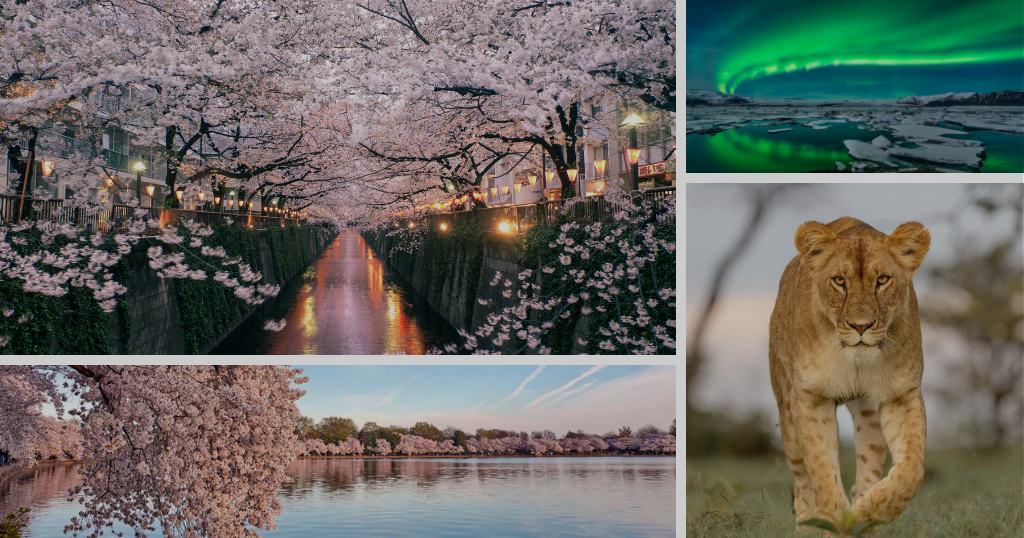
Late March to early April brings cherry blossoms, and November brings autumn foliage, both stunning and both extremely crowded, with hotel rates to match. For a first trip that prioritises easier logistics over peak scenery, late April to early June or October offer milder weather, thinner crowds, and noticeably better hotel availability.
Winter, December through February, suits travellers chasing snow festivals in Hokkaido or considering a Tokyo-Kyoto-Osaka route without the crowds, though it isn’t the classic first-timer’s pick.
Budgeting for a First Japan Trip
Japan has a reputation for being expensive, but it doesn’t entirely hold up under a well-planned itinerary. Mid-range hotels in Tokyo and Kyoto, convenience-store meals mixed with a few proper sit-down dinners, and a 7-day JR Pass keep costs more predictable than most first-timers expect. The bigger variable is season: peak cherry blossom or autumn weeks can push hotel rates up considerably, while shoulder-season travel keeps the same itinerary noticeably more affordable.
Why Book Through a Luxury Travel and Tour Operator in India
A first trip to Japan involves more coordination than it looks on paper: a visa application with supporting documents, a JR Pass that needs to be pre-booked before arrival, hotel locations chosen around train stations rather than just neighbourhoods, and a language barrier that catches most first-timers off guard outside major hotels.
This is exactly where luxury travel and tour operators in India add real value, handling the visa paperwork, sequencing the JR Pass and reserved seats correctly, and building in buffer time between Tokyo, Kyoto and Osaka so the trip doesn’t feel like a checklist.
At Praxis Holidays, our Japan travel packages from India are built around this exact beginner route, refined over repeated first-timer trips rather than assembled from a generic template. Whether you want the classic Tokyo-Kyoto-Osaka circuit or a version that adds Hakone or Nara, our specialists can tailor the pace, season and hotel selection to match how you actually want to travel.
Frequently Asked Questions
Is 7 days enough for a first trip to Japan?
Yes. Seven days comfortably covers Tokyo, Kyoto and Osaka on a Golden Route itinerary without excessive travel time between cities.
Do Indian travellers need a visa for Japan?
Yes, a visa is mandatory for Indian passport holders and must be applied for in advance through the Japanese Embassy or an authorised visa centre; there’s no visa-on-arrival.
Is the Japan Rail Pass worth it for a 7-day trip?
For a Tokyo-Kyoto-Osaka route that includes at least one round trip on the Shinkansen, the JR Pass is usually cheaper than buying individual tickets and covers most of the travel this itinerary requires.
What’s the best time of year for a first Japan trip?
Late April to early June or October offer good weather with fewer crowds; late March-April (cherry blossoms) and November (autumn foliage) are more scenic but considerably busier and pricier.
Are Japan tour packages from India worth booking over planning independently?
For a first trip, yes, largely because of the visa paperwork, JR Pass logistics and the language barrier, all of which a packaged itinerary handles upfront rather than leaving you to sort out on the ground.
Conclusion
A first trip to Japan works best when it stays simple: Tokyo, Kyoto and Osaka, connected by train, with enough days in each to actually enjoy them rather than rush through. Get the visa, JR Pass and season right, and seven days is genuinely enough to come home with a real sense of the country, not just a photo list of landmarks.