Book most international holidays three to six months ahead, but start earlier for anything with limited capacity: nine to twelve months for peak-season safaris, and at least four months for gorilla permits. You can arrange flexible, high-capacity city and island breaks in a few weeks.
The right window depends less on the calendar than on how many rooms, permits or seats a destination can actually sell. A Dubai city break has thousands of hotel beds. A Botswana camp may have eight tents. This guide sorts popular trips by destination type, gives lead times in months, and flags the moments when waiting starts to cost real money.
Quick Answer: Lead Times by Trip Type
Use this as a planning shortcut, then read the sections below for the reasoning.
- Peak-season safari (Kenya, Tanzania, Botswana, Zambia): 9 to 18 months before travel.
- Gorilla trekking (Rwanda, Uganda): at least 4 months, and earlier for June to September or December to February.
- European summer (July and August): 6 to 9 months for hotels, with the visa application started up to 6 months out.
- Cherry-blossom Japan: 6 to 9 months for refundable rooms.
- Festival and year-end trips (Christmas, New Year, big regional festivals): 6 to 9 months.
- Standard city or beach break in shoulder season: 2 to 4 months.
- Last-minute-friendly short hauls: 2 to 6 weeks, provided your passport and visa position are sorted.
Why Timing Matters More Than Most Planners Expect
Booking early isn’t just about getting a room. It affects airfare, visa slots and the quality of what is left on sale.
On airfares, the data is more nuanced than the old “book as early as possible” advice. Google Flights reports that international trips tend to be cheapest when booked 49 days or more in advance. Expedia’s analysis found that booking 31 to 45 days out saved an average of $190 compared with booking six months ahead, though that finding applies to flights alone, not to constrained products like safari camps.
Visas add another clock. You can generally book Schengen visa appointments up to six months before travel, but no later than 15 days before departure. In summer 2026, reports said slots for Spain, France, Italy, and Greece were nearly fully booked, and processing in France and Italy ran four to eight weeks in the busy season. Add the wait for an appointment, and you can see why a trip planned in May for July can collapse.
The takeaway is simple. Fares reward moderate lead time, while lodges, permits and visas reward early action.
Safari Lodges: Book 9 to 18 Months Ahead
Safari is the clearest case for booking early, because supply is tiny and demand clusters around a few months. Rhino Africa’s 2026 planning guidance gives a useful set of benchmarks:
- Botswana: 12 to 18 months, since the best camps sell out far ahead, especially in peak season.
- Kenya, for the Great Migration (June to October): at least 12 months. For itineraries outside that window, 6 to 10 months is workable.
- Tanzania, for the Serengeti or the full northern circuit: at least 12 months. A shorter plan covering Ngorongoro, Lake Manyara and Zanzibar can be arranged in 6 to 8 months.
- Zambia in July or August: at least 12 months. If Victoria Falls is part of the plan, 6 to 9 months may be enough.
- Zimbabwe: at least 9 months.
- South Africa: 9 to 12 months, with December and January peak in Cape Town.
Why the long runway? Small camps have only a handful of suites, so one group booking can take an entire property for a week. Couples and solo travellers often find shorter-notice gaps, but families and groups, who need adjoining tents, rarely do.
If the dates are already close, do not give up. Flexible travellers can look at shoulder months, newer camps or properties slightly outside the main reserves. Experienced luxury tour operators in India will often know where unsold inventory sits, including cancellations that never reach public booking sites.
Gorilla Permits: The Product That Sells Out First
Gorilla trekking is the most inflexible booking in international travel. Visitor numbers are deliberately capped at eight people per gorilla group per day, with a minimum age of 15. Treks last up to one hour once the gorillas are found.
Prices and rules vary between countries, and they change, so treat the figures below as guideposts and confirm before paying:
- Rwanda: US$1,500 per person per day for international visitors, sold first come, first served through the official portal.
- Uganda: US$800 for foreign non-residents under the 2024 to 2026 tariff, though newer authority material has referenced US$700, so confirm the rate for your date. Uganda introduced reduced low-season rates of US$600 for April, May and November. Foreign non-residents generally buy through licensed operators.
- Payment: Uganda stopped its seven-day unpaid reservation hold from 1 March 2026, so permits are now secured only with full payment at booking.
Rhino Africa suggests four months as an absolute minimum for Rwanda, and earlier booking improves your odds. Peak months are June to September and December to February, and permits for those dates can vanish months ahead.
One rule is worth stating plainly: secure the permit first, then book flights and lodging around it. Rwanda’s refund terms are strict. There are no refunds for late arrival, flight delays, or personal cancellations. A permit date is fixed, so build in a buffer night before trekking.
European Summer: Start the Clock Six to Nine Months Out
Europe in July and August is a favourite with Indian families because schools are closed, but demand is also highest. The planning sequence matters more than any single booking:
- 9 to 6 months out: choose countries and shortlist hotels in the most popular spots, such as the Swiss Alps, Italian lakes, the Amalfi Coast and the Greek islands. Small, characterful properties sell out first.
- 6 months out: the Schengen appointment window opens. Aim for an early slot, and consider countries with better availability. Reports suggest the Netherlands, Czech Republic, and Portugal offer easier appointment access from India.
- 4 to 3 months out: confirm flights and rail passes, and lock in internal transfers.
- 2 months out: buy travel insurance (the Schengen minimum cover is €30,000) and confirm paperwork.
Fee changes are worth noting too. The Schengen visa fee was reported at €80, rising to €90 from 11 June 2026, with a reduced rate for children aged 6 to 12. The Entry/Exit System also became fully operational on 10 April 2026, so border procedures may take a little longer at peak times.
If you have flexibility, September and October offer better visa availability, lower hotel rates and still-warm weather in southern Europe.
Festival Dates and Peak Events: Plan by the Event, Not the Month
Trips built around a specific event have fixed dates and limited rooms. Identify the event’s peak window and work backwards.
- Cherry blossom in Japan: the general peak runs from late March to early April, with Tokyo, Kyoto and Osaka often peaking between about 25 March and 10 April. Start researching hotels 9 to 12 months ahead and hold refundable rooms at 6 to 9 months. Bloom dates shift with weather, so flexible-rate rooms are wise. By the 1 to 3 month mark, expect limited choice near popular viewing spots.
- Year-end holidays: Christmas and New Year departures from India are among the busiest of the year, so 6 to 9 months is a sensible target for hotels and flights. European Christmas markets, which typically run from late November through December, follow a similar pattern.
- Regional festivals in Asia: Thailand’s Songkran in mid-April and similar celebrations push up prices and fill transport. Book 3 to 5 months ahead and confirm dates with your operator.
For event-led travel, a free-cancellation rate is cheap insurance. Book it early, then tighten the plan once the dates firm up.
Last-Minute-Friendly Destinations
Some trips can be pulled together in a few weeks, and they are often the best choice for a sudden leave window. They tend to share three traits: large hotel supply, frequent flights from Indian cities and simple entry rules.
- Thailand and Malaysia: listed as visa-free for Indian passport holders in a 2026 round-up by Gulf News, with heavy flight frequency and plenty of hotel inventory.
- Mauritius: also reported as visa-free, and often available at shorter notice outside school holidays.
- Sri Lanka: reportedly offers a free tourist ETA for Indians, so check eta.gov.lk. Long weekends work well, though the scenic Kandy to Ella train needs reserved seats booked early.
- Maldives and Indonesia: listed as visa on arrival, though availability at top resorts tightens in peak season.
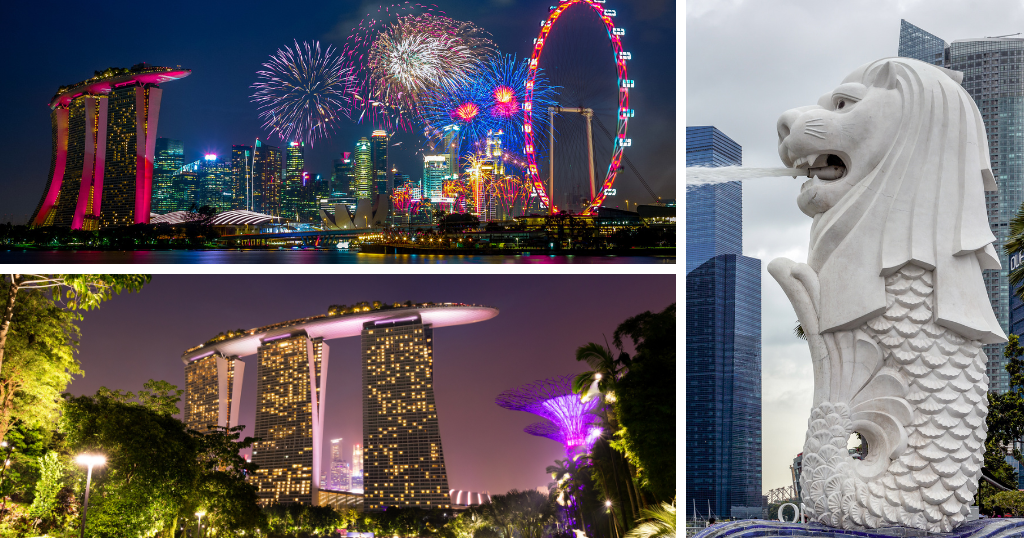
- Dubai and Singapore: huge hotel supply, but confirm visa requirements before planning, since entry rules differ.
A caution applies even here. Peak weeks, such as Diwali or Christmas, can turn a “last-minute” destination into a sold-out one. Aim for shoulder dates if you must travel with little warning.
A Month-by-Month Booking Countdown
Here is a countdown that works for a typical international holiday, with the long-lead items first.
- 12 months out: safari camps, gorilla permits, and any trip tied to a single peak event.
- 9 months out: hotels for Europe in July or August, cherry-blossom Japan and year-end holidays.
- 6 months out: begin visa work, and confirm flights for trips in peak weeks.
- 4 months out: book standard international flights and hotels for shoulder-season trips.
- 2 months out: finalise insurance, activities, transfers and special requests.
- 1 month out: reconfirm every booking, check passport validity and arrange foreign currency.
- 2 weeks out: download documents, confirm airport transfers and share the itinerary with family.
What to Lock First: Flights, Hotels or Permits?
Sequence matters when several products have limited inventory.
- Permits and tickets first: gorilla permits, event tickets and limited-capacity attractions.
- Core lodging next: safari camps, ryokans and small boutique hotels.
- Flights third: book once the dates are firm, ideally within 49 days to a few months of departure unless peak demand pushes you sooner.
- Activities and dining last: most can be added later, though specialist experiences, such as a private cooking class, fill up in peak weeks.
Always check cancellation terms. A cheaper non-refundable rate can cost more in the end if your plans change.
Budgeting Around Lead Times
Booking early also changes how you pay. Safari camps and gorilla permits usually require a deposit at confirmation and the balance 2 to 4 months before arrival, while Uganda now requires full permit payment on the day you book. Plan your cash flow around those dates rather than discovering them later.
Currency matters too. A trip priced in dollars or euros can move with exchange rates over a nine-month wait. Ask whether your package is quoted in rupees or a foreign currency, and what happens if rates shift. A reliable luxury travel company in India will spell out payment milestones and cancellation slabs in writing before you commit.
Common Timing Mistakes to Avoid
Most booking regrets come from a handful of predictable errors.
- Buying flights before the permit or lodge is confirmed. If the lodge falls through, the ticket becomes the problem.
- Assuming a visa will be quick. Appointment wait plus processing can exceed your lead time in summer, so count both.
- Treating “last-minute” as year-round. A destination that is easy in October may be full in the last week of December.
- Booking non-refundable rates too early. Save them for fixed-date items, and keep flexible rates for everything that might move.
- Ignoring passport validity. Many countries expect at least six months remaining, so check this before anything else.
- Leaving travel insurance until the final week. Buying cover soon after the first payment protects the money you have already committed.
Why Book Through Luxury Travel and Tour Operators in India
Lead times are easiest to manage when someone else holds the master calendar. Luxury travel and tour operators in India can open safari holds, track permit releases, align visa timelines, and rebook around disruptions so a single missed deadline doesn’t cascade through the whole itinerary.
The strongest luxury tour operators in India also offer access individual travellers rarely have: allocations at small camps, relationships with ground partners, and the judgment to tell you when a date is genuinely tight and when it is not. Praxis Holidays is a luxury travel company in India that builds trips backwards from the long-lead item, whether that is a lodge, a permit, or a festival.
Frequently Asked Questions
How far in advance should I book an international holiday?
For most trips, three to six months is a good window. For peak-season safaris and gorilla permits, book nine to eighteen months ahead.
When is the cheapest time to book international flights?
Google Flights data suggests 49 days or more before departure, and Expedia found savings of about $190 at 31 to 45 days compared with six months out. Peak weeks are an exception.
How early should I book a gorilla trekking permit?
At least four months ahead, and earlier for June to September or December to February. Permits limit each gorilla group to eight visitors per day.
How early can I apply for a Schengen visa from India?
You can generally book appointments up to six months before travel, and no later than 15 days before departure. Summer slots fill quickly, so apply early.
Can I book a good international holiday at the last minute?
Yes, if you choose a destination with plenty of hotel supply and simple entry rules, such as Thailand, Malaysia or Mauritius, and avoid peak festival weeks.
Is it worth using a travel company for long-lead trips?
Usually, yes. A specialist can secure holds, align visa timing and rebook if plans shift. This matters most for safaris, permits and multi-country routes.
When should I book Japan for cherry-blossom season?
Research hotels 9 to 12 months ahead and book refundable rooms 6 to 9 months out. Peak bloom is around late March to early April.
Conclusion
Timing is a product decision, not a personal virtue. Book early for scarce things, such as safari camps, gorilla permits and peak-event hotels. Book flights and standard city stays with a comfortable lead time. Keep room for a last-minute break when the calendar suddenly opens up. Match each trip to its lead-time window, and the cost, stress, and sold-out notices tend to fall away.