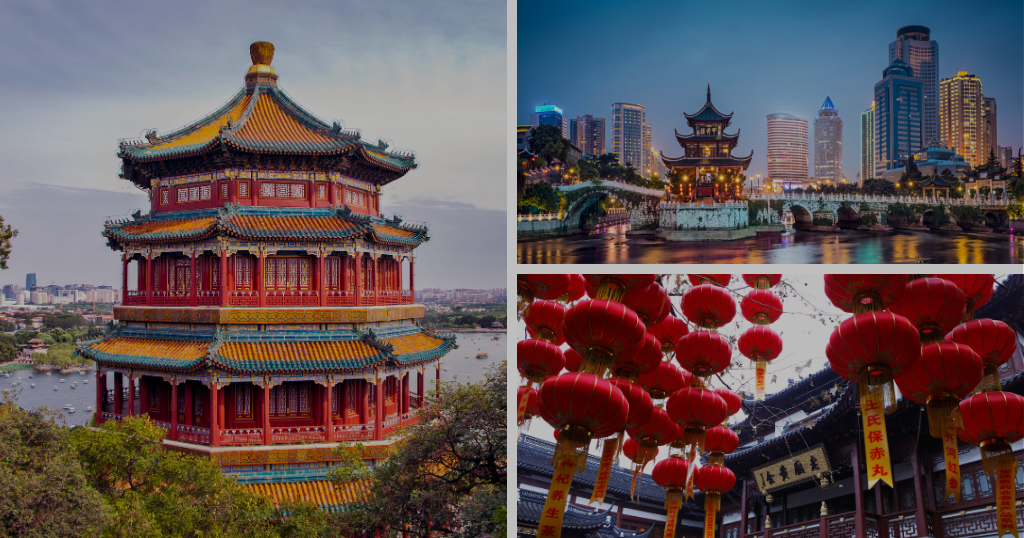
Experience the magic of Chinese New Year 2026 traditions and celebrations, where history and contemporary life converge. Also known as the Lunar New Year or Spring Festival, it is the most significant celebration in Chinese culture. Families reunite, cities glow during the red lantern festival, and the skies sparkle with New Year fireworks. More than just a holiday, it is a time of renewal, reflection, and hope for prosperity. Celebrated not only in China but across Asia and the world, it highlights a unique blend of heritage, cultural pride, and modern innovation.
The Origins of the Chinese New Year
The Chinese New Year has its roots in a history spanning over 3,000 years, mixing myth and tradition. The most famous legend speaks of the monster Nian, who was afraid of loud noises, firecrackers, and the colour red. It explains why firecrackers and the colour red remain integral to the festivities to this day.
What started as agricultural rituals performed by emperors in honour of heaven and earth gradually transformed into family-oriented Lunar New Year traditions. The festival today retains its roots, commemorating renewal, unity, and the aspiration for prosperity.
Symbolism of the Zodiac Animals
Every Chinese New Year brings one of the twelve zodiac animals: Rat, Ox, Tiger, Rabbit, Dragon, Snake, Horse, Goat, Monkey, Rooster, Dog, and Pig. Together, they form a repeating 12-year cycle, each believed to shape personality traits, destiny, and fortune.
For example, the Dragon is a powerful and auspicious animal that is often associated with leadership and success. The Rabbit represents peacefulness, graciousness, and harmony, while the courage, confidence, and adventure are those characteristics embodied by the Tiger. Not surprisingly, families celebrate each year’s zodiac animal with appropriately themed decorations, gifts, and even food, making it a crucial part of the Lunar New Year traditions.
Many families tend to buy decorations, jewellery, or even clothes with their zodiac sign, making it one of the most personal and interactive features of New Year traditions.
Traditional New Year Food and Family Feasts
Food is at the heart of the Chinese New Year celebrations. Families are reunited for the year’s most important meal, which usually consists of the following dishes:
-
Dumplings (Jiaozi):
Shaped like ancient ingots, dumplings symbolise wealth and prosperity, especially in northern China. Families often gather to make them together at midnight.
-
Whole Fish Yu:
The word “yu” phonetically resembles “abundance.” Hence, fish is an indispensable dish symbolising surplus and good luck for the coming year.
-
Spring Rolls:
These are fried so that their appearance becomes golden and crisp, symbolising bars of gold.
-
Sweet Rice Balls (Tangyuan):
Traditionally eaten during the red lantern festival, tangyuan represents family unity and harmony since the round shape signifies togetherness.
Every dish has meaning, reinforcing the themes of good fortune, happiness, and family ties.
The Spectacle of the Chinese Dragon Dance and Lion Dance
The Chinese dragon dance and lion dance are among the most iconic highlights of the Chinese New Year. The performance, to the rhythmic beat of drums and clashing cymbals, gives the streets and plaza a vibrant energy that fascinates locals and tourists alike.
The dragon symbolises strength, good fortune, and a bountiful harvest. It forms a long, colourful dragon that weaves in and out of crowds, a spectacular display of coordination and skill. On the one hand, the lion dance is performed to ward off evil spirits and invite blessings, bringing joy and protection to communities.
Together, they represent cultural traditions tracing back hundreds of years and fuse artistry, music, and ritual into unforgettable Chinese New Year celebrations.
These events are held at festivals, parades, and even in shopping streets, making them highlights for locals and tourists alike.
The Glow of the Red Lantern Festival
The red lantern festival marks the finale of the Chinese New Year celebration. The streets, temples, and rivers have been decorated with colourful lanterns, symbolising light, hope, and family unity. The warm shine makes cities take on a magical appearance, reflecting many years of tradition and cultural pride.
Many of the lanterns are also inscribed with riddles, inviting visitors to test their wit in playful challenges. Lanterns are also launched into the sky or floated along rivers in southern China, creating breathtaking visuals that draw locals and travellers alike.
This festival marks not only the close of the Lunar New Year but also reinforces the themes of togetherness, renewal, and optimism for the year ahead.
Tangyuan–sweet rice balls–are the signature dish of this festival, symbolising family harmony.
The Role of New Year Fireworks
Fireworks are some of the most iconic elements of the Chinese New Year, lighting up the night sky in a myriad of colours with explosive energy. Traditionally, fireworks have been used to scare away evil spirits and invite good fortune for the coming year.
At midnight, neighbourhoods erupt into earsplitting celebrations as crackling firecrackers mix with cheers and festive music, making for an electric atmosphere. While some cities have banned private fireworks for safety, large public displays in Beijing, Shanghai, and Hong Kong continue to dazzle millions of onlookers annually.
These dazzling shows not only symbolise luck and prosperity but also serve as a visual spectacle that unites the people, making the Lunar New Year celebrations unforgettable.
Contemporary Celebrations: Tradition Meets Innovation
While the heart of Chinese New Year 2026 traditions and celebrations remains the same, modern touches have evolved the experience
-
Digital Red Envelopes (Hongbao):
Traditionally, red envelopes containing money are given to children and younger relatives. Today, with applications such as WeChat, the practice of providing hongbao has been pushed to incorporate both tradition and technology.
-
Spring Festival Gala:
It is broadcast annually on national television, watched by billions, featuring music, comedy, dance, and acrobatics – a modern celebration of Chinese culture.
-
Travel Boom:
Every year, millions of people travel across China to reunite with family, creating the world’s largest annual human migration.
-
Global Celebrations:
The Lunar New Year parades are held across cities like London, Sydney, and San Francisco by Chinese communities, bringing the festival’s energy and traditions to the world.
Best Destinations to Experience the Chinese New Year
If you’re planning a trip, here are the top destinations for Chinese New Year celebrations:
-
Beijing:
Temple fairs, fireworks, and traditional performances, for instance.
Shanghai is a mix of modern skyscrapers, light shows, and ancient traditions.
Harbour fireworks, parades and festive shopping.
Xi’an is famous for its Tang Dynasty-style lanterns and cultural exhibitions.
-
Chengdu:
Street food stalls, opera shows, and bright-colored lanterns everywhere.
Final Thoughts:
Chinese New Year 2026 traditions and celebrations offer more than just a festival; they are a journey into culture, tradition, and unity. The moments are joyful and meaningful: from the red lantern festival’s glow to the roar of the dragon dance, from the flavours of symbolic New Year food to the sparkle of New Year fireworks.
Praxis Holidays offers curated packages for travellers to China’s best destinations, where one can soak in all the magic without worrying about logistics. Name it: temple fairs in Beijing, lantern festivals in Chengdu, or Hong Kong’s dazzling harbour fireworks-think Praxis Holidays for an immersive and stress-free vacation. https://www.shenyun.org/blog/view/article/e/oMhlZ6rXUf0/a-guide-to-traditional-chinese-festivals-blog